Warm Underfoot: The Ultimate Guide to Heated Bathroom Floors
The concept of heated bathroom floors, often referred to as radiant floor heating, represents a significant evolution in home comfort. Far beyond the simple luxury of a warm surface underfoot, this system provides a fundamentally different way to manage temperature in one of the most used rooms in the house. Unlike traditional forced-air systems that can create drafts and uneven heating, this method uses thermal radiation to create a consistent and enveloping warmth that rises from the ground up.
Understanding How Radiant Heat Works
The science behind heated bathroom floors is rooted in physics rather than forced air. The system operates by heating a surface, typically the subfloor, which then radiates heat upward into the room. This process is similar to how the sun warms your skin; it provides a comfortable warmth without the aggressive airflow of a conventional vent. Because the heat is distributed evenly across the entire floor area, there are no cold spots near the shower or by the vanity, creating a environment that feels consistently temperate.
Types of Floor Heating Systems
Not all heated floors are created equal, and understanding the difference between the two main systems is crucial for installation. The choice generally depends on whether you are building a new home or renovating an existing one.


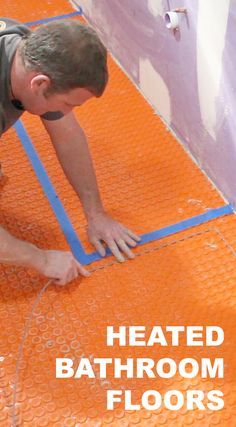
- Electric Systems: This method utilizes heating cables or mats installed directly beneath the tile. It is often the preferred choice for renovations because it requires no additional plumbing and can be installed under a single bathroom.
- Hydronic Systems: Common in new construction, this system circulates warm water through a network of tubes installed beneath the floor. While more complex to install, it is highly efficient for heating large areas or entire homes.
Comfort and Safety Benefits
The most immediate advantage of heated bathroom floors is the elimination of the dreaded cold shock when stepping onto tile first thing in the morning. The surface remains warm even when the ambient air cools, ensuring comfort regardless of the thermostat setting. Furthermore, the absence of vents blowing air reduces the circulation of dust and allergens, which is beneficial for allergy sufferers. From a safety perspective, the design minimizes the risk of burns or tripping hazards associated with exposed radiators, creating a safer environment for children and seniors alike.
Impact on Bathroom Design
Integrating heated floors allows for greater flexibility in bathroom design. Because the heating system is hidden beneath the surface, it frees up wall space that would otherwise be occupied by radiators. This allows for a cleaner, more minimalist aesthetic and provides more freedom in arranging fixtures. Whether you are installing large-format tiles for a spa-like retreat or adding heated stone flooring for a touch of elegance, the infrastructure supports a seamless look that is difficult to achieve with traditional heating methods.


Energy Efficiency and Considerations
While the initial installation cost of a heated bathroom floor system is higher than standard heating, the long-term energy efficiency can be substantial. Because the heat is targeted specifically to the area where it is needed most—at floor level—there is less waste. Thermostats designed for radiant heat allow for precise temperature control, ensuring you are not overheating an empty room. However, it is important to note that tile flooring, while beautiful, conducts heat efficiently; pairing your system with proper insulation underneath is essential to maximize the return on investment.
Installation and Long-Term Maintenance
Professional installation is highly recommended for heated bathroom floors to ensure safety and effectiveness. The process involves careful planning of the electrical or water routing and ensuring a stable substrate for the heat distribution layer. Once installed, the maintenance required is minimal. There are no moving parts or filters to change, as the system is designed to operate silently and reliably for decades. Regular cleaning of the floor surface is all that is usually required to keep the system running optimally.




Related Articles

Warmth Underfoot: The Ultimate Guide to Bathroom Heated Floors
Stepping onto a cold tile floor first thing in the morning is a universally understood moment of dread. For many, the solution to this daily shock is simpler...
The Ultimate Guide to Heated Floor Installation Costs: How Much to Install Heated Floors
Homeowners and renovators increasingly view heated floors not as a luxury, but as a smart investment in comfort and energy efficiency. The most immediate...

The Ultimate Guide to Cleaning Floors with Bleach: Safe & Effective Tips
Maintaining a hygienic home environment starts with understanding how to clean floors with bleach effectively. This powerful chemical can eliminate stubborn...

Warm Dark Green: The Ultimate Guide to Elegant Nature-Inspired Design
Warm dark green is a nuanced hue that sits at the intersection of nature’s tranquility and sophisticated depth. Unlike its cooler forest counterpart, this...

The Ultimate Cost Guide to Replace Bathroom Vanity 2024
Replacing a bathroom vanity is one of the most effective ways to update the look and functionality of your space, but it comes with a wide range of costs. The...

Fluffy Toilet Seat: The Ultimate Plush Bathroom Comfort Guide
The pursuit of ultimate comfort in the home often leads to surprising areas of focus, and the fluffy toilet seat has emerged as a surprisingly popular upgrade...