15 Stunning Ways to Hang Rug on Wall for Bohemian Décor
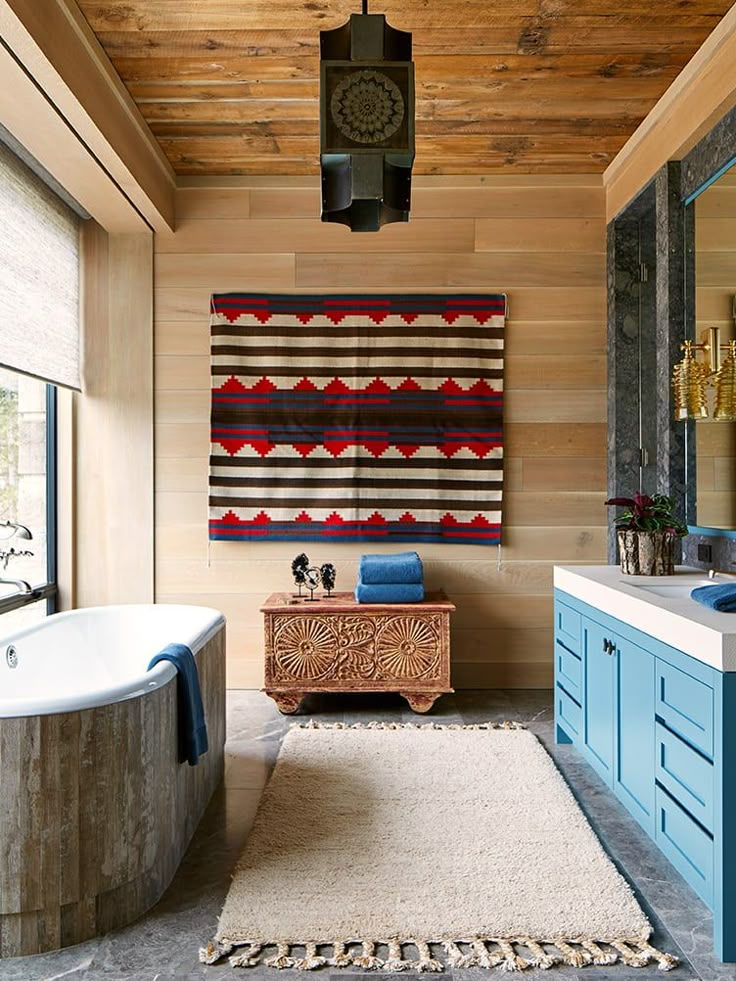
Hanging a rug on the wall can transform the aesthetic of any room, turning a standard textile floor covering into a dramatic piece of art. This design technique leverages texture, pattern, and color to create a focal point that is both warm and visually intriguing.
Why Hang a Rug on the Wall?
Beyond mere decoration, hanging a rug serves specific functional and stylistic purposes that are distinct from traditional wall art. Rugs offer a softness that paintings or photographs often lack, introducing a tactile quality to a space. This approach is particularly effective in spaces like studios, hallways, or under-stair areas where a traditional gallery wall might feel sparse.
Furthermore, it provides an excellent solution for displaying a treasured family heirloom or a collection that is too delicate or large to be placed on a stand. By securing the rug flat against the wall, you preserve its fibers while allowing the intricate details of the weave to be appreciated from a distance.


Selecting the Right Rug
The success of this project hinges entirely on the initial choice of rug. Not all floor coverings are suitable for vertical display, as some lack the structural integrity or design necessary to hang gracefully.
Weight and Material
Look for rugs made of dense, durable materials such as wool, jute, or thick cotton. These fabrics hold their shape well and resist sagging over time. Thin, flimsy rugs will drape awkwardly and may require constant adjustment to maintain their form.


Design and Pattern
Intricate patterns and high-contrast colors tend to work best on a wall. A bold geometric design or a vintage tribal motif will read clearly from across the room, ensuring the piece serves as a statement rather than a subtle accent.
| Rug Type | Best For Wall Hanging | Visual Effect |
|---|---|---|
| Kilims | Excellent | Bold, Graphic Patterns |
| Vintage Persian | Excellent | Ornate Detailing |
| Shag | Poor | Textured Depth (Hard to Flatten) |
Preparation and Hanging Methods
Proper preparation is essential to ensure the rug remains smooth and wrinkle-free. Before mounting, vacuum the back and front of the rug thoroughly to remove any debris that might damage the fibers.
There are several methods to achieve a secure mount, ranging from professional framing to DIY solutions. The goal is to attach the rug tautly without piercing the visible front of the fabric.


Method 1: The Professional Frame
This method involves having the rug stretched over a wooden frame, similar to a canvas. A professional framer will use staples to secure the back, resulting in a museum-quality display that protects the edges from fraying.
Method 2: Adhesive Hanging
For a less invasive approach, double-sided carpet tape or a specialized fabric adhesive can be used. Apply the tape to a sturdy backing board, then press the rug firmly onto it. This method is ideal for renters or those who wish to avoid permanent modifications.
Method 3: Rod Pocket Technique
If the rug has a reinforced header, you can slide a wooden curtain rod or a custom-painted pvc pipe through the pocket. By securing the rod with brackets, you create a look reminiscent of suspended tapestries.


Integration and Styling
Once the rug is installed, consider how it interacts with the surrounding elements. Because the piece covers a significant amount of wall space, it is best to keep the furniture below it simple and uncluttered.
Position the hanging rug at eye level or slightly higher. Ensure that the surrounding walls are neutral to allow the intricate design of the rug to breathe and command attention.
Practical Considerations
While beautiful, a hung rug requires specific environmental conditions to maintain its integrity.
Direct sunlight can also cause the dyes to fade over time. If the room receives ample natural light, consider installing UV-filtering film on the windows or rotating the rug periodically to ensure even aging.
Related Articles

15+ Stunning Ways How to Hang Scarves on a Wall for Style
Transforming a bare wall into a curated gallery is easier than you might think, and few methods offer the same instant impact as learning how to hang scarves...

50+ Stunning Wall Picture Ideas Pinterest for Perfect Décor
Transforming a blank wall into a curated gallery can feel overwhelming, but Pinterest serves as the perfect catalyst for inspiration. This dynamic visual...

Stunning Gray Wall Accents Ideas for Modern Décor
Gray wall accents offer an understated elegance that transforms any room into a space of quiet sophistication. Unlike bold color choices, gray acts as a...

Stunning Wall Topper Ideas for Inspired Décor
Transforming a room often starts at the eye level, and wall topper ideas provide the perfect way to introduce texture, color, and personality without the...

Stunning Bouquet Wall Display: Easy Hanging Guide
Hanging a bouquet on the wall is an elegant way to bring the beauty of nature indoors without the need for constant maintenance. This simple act transforms a...

20+ Stunning Ways to Hang Picture on Door for Maximum Style
Hanging a picture on door is one of the simplest ways to add personality and warmth to your entryway. A well-placed piece of art not only greets you visually...