Southern-Style Field Peas Recipe: A Delicious & Easy Dish
Few dishes capture the quiet comfort of a Southern kitchen quite like a pot of simmering field peas. Often called cowpeas or black-eyed peas, these legumes are a culinary cornerstone across the rural South, prized for their earthy flavor and remarkable ability to feed a crowd. This guide moves beyond the basic simmer to explore authentic techniques, regional variations, and the subtle details that transform simple field peas into a memorable side dish worthy of any dinner table.
Understanding Field Peas and Their Southern Roots
Before diving into the recipe, it is essential to distinguish field peas from their more famous cousin, the black-eyed pea. While often used interchangeably in casual conversation, field peas typically refer to smaller, darker peas with a firmer texture and a more robust, earthy flavor profile. They are a staple of Southern agriculture, historically grown as a vital protein source during long winters. Their resilience and deep, savory taste make them perfect for dishes that benefit from a long, slow cook, allowing the legumes to absorb the rich flavors of smoked pork and aromatic vegetables.
The Foundation of Flavor: The Holy Trinity and Aromatics
The base of any great Southern field peas recipe relies on what is locally known as the "Holy Trinity"—onions, celery, and bell peppers. Finely dicing these vegetables creates a flavor foundation that is sweet, savory, and aromatic. To build layers of complexity, home cooks traditionally add minced garlic and a ham hock or a generous amount of smoked turkey necks. These proteins are not merely flavoring agents; as they simmer for hours, they render collagen and fat, creating a rich, unctuous broth that clings to every pea.


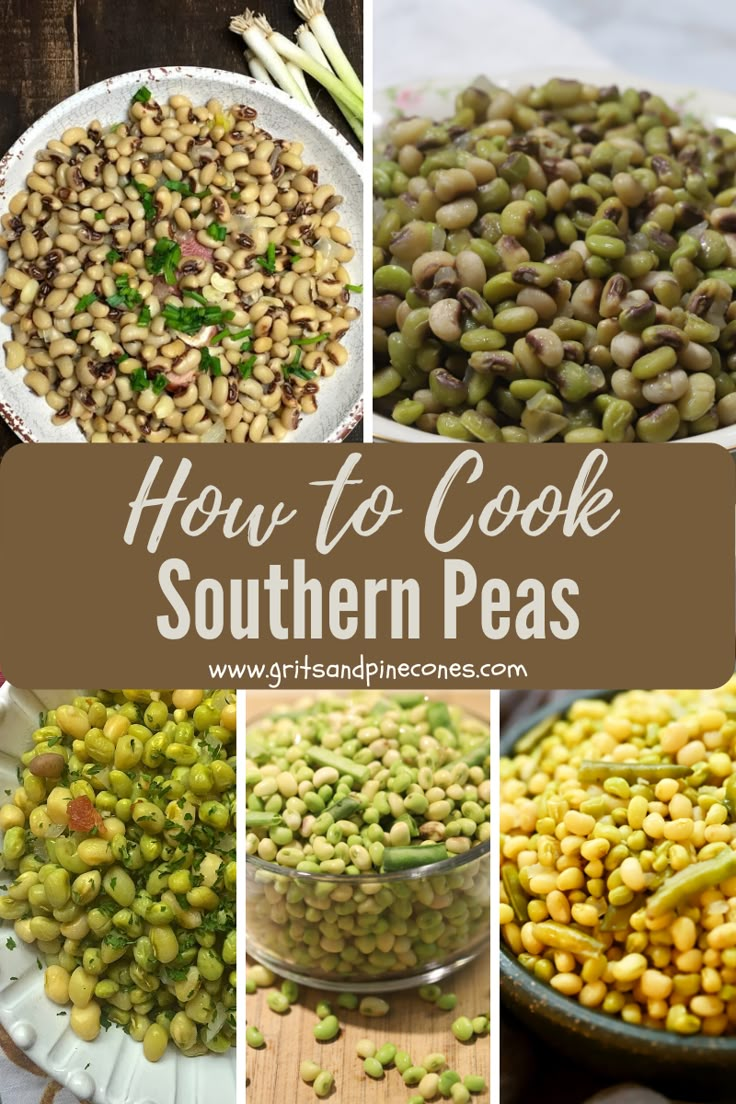
Essential Ingredients for Authenticity
- 1 pound dried field peas, rinsed and picked over
- 1 ham hock or 2 smoked turkey necks
- 1 cup diced yellow onion
- 1 cup diced celery
- 1/2 cup diced bell pepper (preferably green)
- 3-4 cloves minced garlic
- Bay leaves, salt, and black pepper
The Technique: Patience is Key
Cooking field peas to perfection is a test of patience, but the process is straightforward. Begin by placing the rinsed peas in a large stockpot, covering them with water by several inches, and bringing them to a boil. This initial boil, followed by a 10-minute rest, helps to soften the skins and reduce overall cooking time. Discarding this first batch of water helps to remove some of the natural starchiness, resulting in a cleaner, more distinct pea flavor rather than a mushy texture.
Building the Pot
Once the peas have soaked, you add the aromatic bundle and the smoked pork. Stir in the diced Holy Trinity, minced garlic, and bay leaves. Pour in fresh water or, for a deeper flavor, use a mixture of water and chicken stock. The liquid should envelop the peas by about an inch or two, as they will expand during cooking. Bring the mixture to a gentle simmer, then reduce the heat to low, cover partially, and allow the pot to bubble away slowly. This slow simmer, which can last between 45 minutes to an hour, is where the magic happens—the peas transform from hard legumes into tender, creamy morsels saturated with smoky pork essence.


Texture and Seasoning
About 15 minutes before the peas are done, it is time to season. Salt is introduced late in the cooking process to prevent the peas from becoming tough. Begin with a generous amount of black pepper, which provides a gentle heat that complements the earthiness of the peas. If you prefer a thicker, stew-like consistency, you can mash a handful of peas against the side of the pot with the back of a spoon. For a smoother, creamier result, remove the ham hock, shred the meat, and return it to the pot, mashing some of the peas directly in the liquid to release their natural thickening agents.
Serving Traditions and Modern Variations
Traditionally, field peas are served over a bed of hot rice, a pairing that soaks up the delicious broth and turns leftovers into a hearty meal the next day. They are a staple on New Year's Day tables, symbolizing prosperity and good luck for the coming year. For a modern twist, consider stirring in a splash of hot sauce or a squeeze of fresh lemon juice just before serving to brighten the rich, smoky flavors. Alternatively, fold the peas into a savory stew with chunks of cornbread for a complete, satisfying plate that honors the spirit of Southern cooking.


Related Articles
Southern Purple Hull Peas Recipe: Easy & Delicious
Purple hull peas, a staple in Southern cuisine, are more than just a side dish; they are a celebration of texture and flavor. Often confused with their cousin...

Paula Deen Cream Cheese Frosting Recipe: Easy & Delicious Southern Style
When baking enthusiasts search for the perfect balance of tangy and sweet, the Paula Deen cream cheese frosting recipe often emerges as the ultimate solution...

Simple Breakfast Casserole Recipe: Easy & Delicious Morning Dish
There is a certain magic to a simple breakfast casserole that transforms the chaos of a weekday morning into a serene moment of indulgence. Rather than...

Southern Living Quiche Recipe: Easy, Delicious & SEO Friendly
The southern living quiche recipe is a beloved staple that brings the warmth of the kitchen to any table. This dish masterfully combines a flaky, buttery crust...

Hoppin' John Black Eyed Peas: A Lucky & Delicious Southern Recipe
Hoppin John black eyed peas stand as a delicious testament to the power of cultural fusion and historical resilience. This iconic dish, featuring humble field...

Southern-Style Green Beans (Meatless) Recipe – Flavorful & Easy
Southern style green beans without meat capture the soul of the American South in a humble, vegetable-forward dish. This preparation relies on deeply...