12 Days of Christmas Facts: The Real Story Behind the Holiday Song
The 12 Days of Christmas represents one of the most beloved and enduring holiday traditions, yet few people fully grasp the rich history and hidden details behind the famous carol. Often viewed simply as a festive countdown to the new year, this period is steeped in religious significance, cultural evolution, and surprising trivia. From the strict observance of the Advent season to the commercialization of the song, understanding these facts transforms the familiar melody into a fascinating historical tapestry.
The True Meaning Behind the Twelve Days
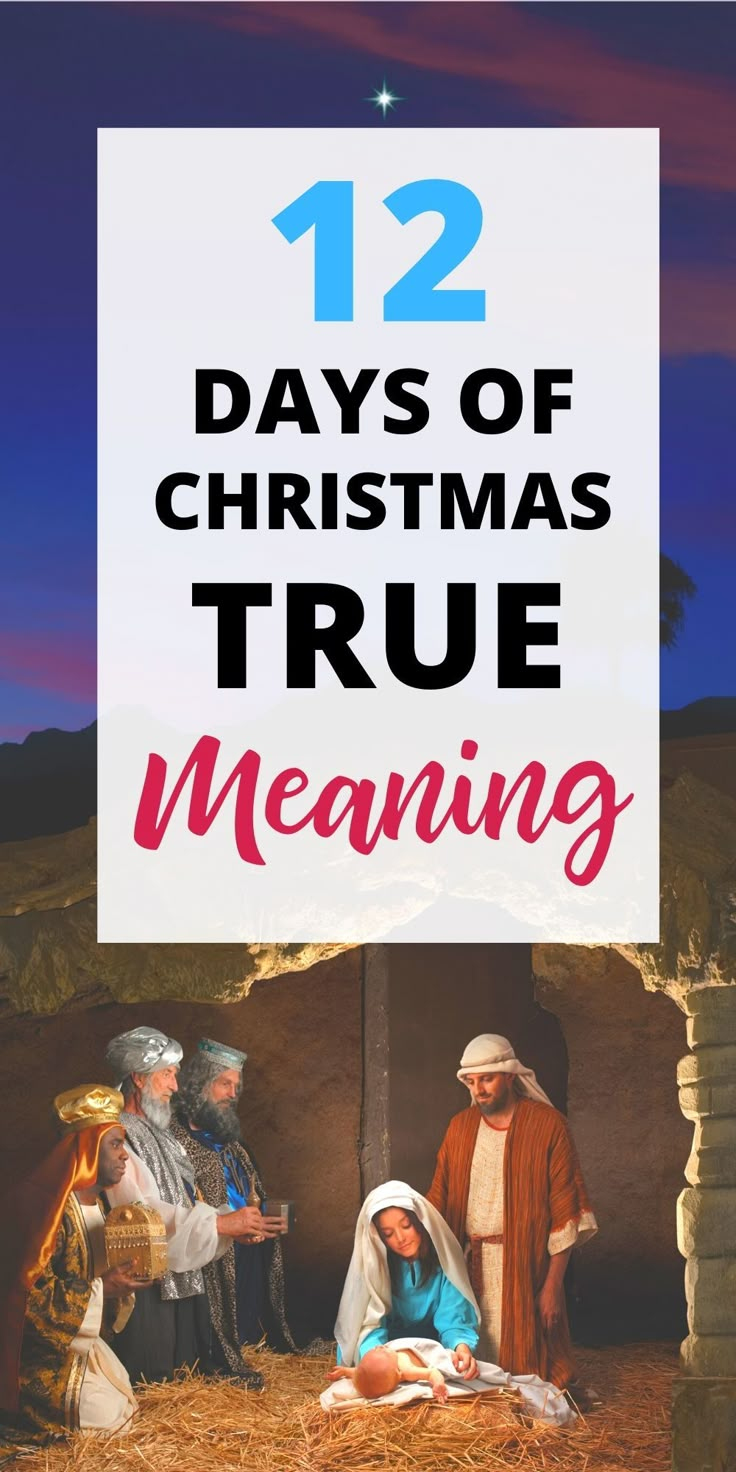
The first of many facts about the 12 Days of Christmas is that the celebration is not merely a prelude to New Year’s Day. In Christian theology, the Twelve Days mark the interval between the birth of Christ on Christmas Day (December 25) and the arrival of the Three Wise Men, known as Epiphany, on January 6. This period is traditionally a time of joyful celebration and reflection on the manifestation of Jesus to the world. Historically, this window was one of the few times of year when people could indulge in feasting and merriment, as most of December was spent in the solemn observance of Advent.
Variations in Celebration Dates
Because the calculation of Christmas Day varies between different Christian denominations, the specific timeline of the Twelve Days is not entirely uniform. While the Western Church generally observes the season from December 25 to January 5, the Eastern Orthodox Church often celebrates Christmas on January 7 following the Julian calendar. Consequently, the Epiphany for these traditions falls on January 19, shifting the entire period of the Twelve Days. This discrepancy highlights the diverse ways the Christian world has honored the nativity story over centuries.


The Origin of the Famous Carol
When examining facts about the 12 Days of Christmas, one cannot ignore the peculiar history of the carol itself. The lyrics, as we know them today, were first published in London in 1780 in a children’s book titled "Mirth without Mischief." However, the song is believed to have existed orally for generations before that. A persistent myth suggests the song was used as a catechism tool for Catholic children in England during a time when practicing their faith was suppressed, with each gift symbolizing a religious concept. Historians have largely debunked this theory, noting that the connections are largely speculative and the song was likely created as a simple memory game or parlour trick.
The Twelve Gifts and Their Symbolism
Even if the religious code theory is a myth, the specific items listed in the song carry their own historical weight. The "partridge in a pear tree" represents Jesus Christ, while the "two turtle doves" likely refer to the Old and New Testaments or the twin pillars of the Catholic faith. The "three French hens" are often interpreted as faith, hope, and charity, and the "four calling birds" are thought to symbolize the four evangelists: Matthew, Mark, Luke, and John. These layered meanings, whether intentional or retrofitted, add a rich dimension of symbolism to what is now a familiar children’s rhyme.


Commercial and Cultural Evolution
Another fascinating fact about the 12 Days of Christmas is the massive commercial push that now defines the period between Christmas and the new year. In the modern era, the "season" has been extended well beyond January 5th, often blending into the Valentine's Day sales cycle. Retailers and advertisers have co-opted the festive spirit to drive sales during the traditionally slow month of January. Furthermore, the carol has become a cultural touchstone, inspiring everything from television specials and ballet performances to comedic adaptations and viral internet challenges, ensuring the song remains a dynamic part of pop culture.
The Logistics of the "True Love's" Gifts
If one were to take the song literally and receive all the gifts listed, the logistics are staggering. By the final day, the recipient accumulates a total of 364 gifts, as the song is cumulative. This equates to 1 partridge, 2 turtle doves (repeated 12 times), 3 hens (repeated 11 times), and so on. The sheer volume of birds alone—specifically the 224 blackbirds, 184 geese, and 120 swans—paints a vivid, if messy, picture of medieval abundance. This element of the song highlights the fantasy of unlimited generosity and the humor inherent in the accumulation of wealth and material goods.
Global Variations and Misconceptions
Finally, a critical fact about the 12 Days of Christmas is that the tradition is not universally celebrated in the same way. In some European countries, the focus remains strictly on religious observance, involving mass, charity, and quiet reflection rather than rampant gift-giving. Additionally, many people mistakenly believe the song refers to the days leading up to Christmas; in reality, it counts the days after. This temporal misunderstanding underscores how the original religious context has been diluted over time, replaced by a more generalized sense of holiday festivity that begins as the last of the Christmas decorations come down.


Related Articles

Its Not Whats Under the Christmas Tree: The Real Holiday Magic
The phrase "it's not what's under the Christmas tree" has become a powerful shorthand for the modern holiday experience, capturing a shift in focus from...

Artificial vs Real Christmas Trees: The Ultimate Holiday Showdown
Choosing between an artificial and a real Christmas tree is a decision that defines the entire holiday season for many households. It is a choice that balances...

The 12 Days of Christmas Song: Day-by-Day Breakdown & Lyrics
Most people recognize the festive song "The Twelve Days of Christmas," but few understand how its cumulative gift sequence actually unfolds. The tradition...

Miley Cyrus One in a Million: The Shocking Story Behind the Song
Since her emergence as a bright star in the early 2000s, Miley Cyrus has consistently captivated audiences, but few moments resonate as deeply as the...
The Meaning Behind 12 Days of Christmas: Unwrap the True Origin
The familiar carol "The Twelve Days of Christmas" often evokes images of partridges in pear trees and French hens, but beneath its whimsical surface lies a...

12 Gifts of Christmas Song: Festive Holiday Hits
The "12 Days of Christmas" song is far more than a repetitive holiday tune; it is a fascinating cultural artifact steeped in history and symbolic meaning. This...