Dry Yeast vs Wet Yeast: The Ultimate Baking Showdown
When it comes to baking, the choice between dry yeast and wet yeast is foundational. These two forms of the same biological agent dictate the rhythm of your dough, influencing everything from preparation time to final flavor. Understanding the distinction is not merely about recipe compliance; it is about mastering the craft and adapting to your kitchen environment. This guide cuts through the confusion to provide a practical comparison for every baker.
The Biology Behind the Bubbles
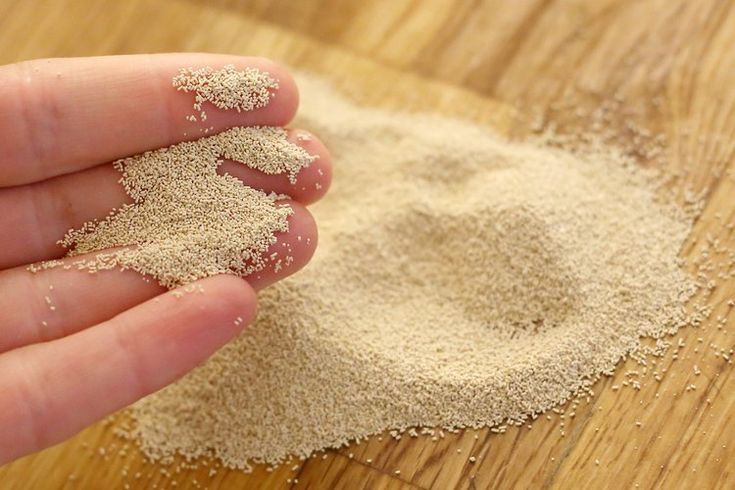
Both dry and wet yeast are living organisms—Saccharomyces cerevisiae, to be specific. Their sole function is to consume sugars and release carbon dioxide and alcohol. The difference lies in moisture content and how this affects the living cells. Wet yeast, also known as fresh or cake yeast, contains about 70% water. This high hydration keeps the cells alive and active, making it incredibly perishable. Dry yeast, conversely, is created by removing almost all the moisture from the fresh yeast, putting the cells into a dormant state. This dormancy is the key to its longevity and stability.
Practicality and Storage
For the home baker, dry yeast is often the most pragmatic choice. You can purchase it in bulk, store it in a cupboard for months, and only use what you need without worrying about waste. There is no need to calculate exact quantities from a slab or jug; you simply weigh or spoon the amount required. Wet yeast, while beloved by traditionalists in commercial settings, demands immediate use. Because of its high water content, it must be refrigerated and used within days. If you bake sporadically or do not run a professional kitchen, wet yeast presents a significant risk of spoilage and waste.


Activation and Mixing Techniques
The process of bringing the yeast to life differs significantly between the two types. With dry yeast, you typically activate it by combining it with warm liquid (around 105°F to 115°F) and a touch of sugar. You will witness a visible foaming reaction, confirming that the yeast is active and ready to work. This step is a safeguard; if the mixture does not bubble, you know not to proceed with the dough. Wet yeast, however, is often simply broken up and mixed directly into the dough ingredients. Because it is already active and hydrated, it does not require this preliminary "proofing" step, allowing for a slightly faster initial mixing phase.
Flavor Development and Performance
While both leaven effectively, the impact on flavor is distinct. Because wet yeast is alive and active immediately, it ferments the dough quickly. This speed is excellent for achieving a rapid rise, but it offers less time for the development of complex organic acids and esters that create depth of flavor. Dry yeast, particularly when used in a cold or slow fermentation, provides more control. By activating it first and allowing a longer bulk fermentation, bakers encourage the yeast to work slower, which promotes better gluten development and a more nuanced taste profile. For artisanal breads seeking a distinct character, dry yeast is the superior instrument.


Handling and Measurement
Measuring these yeasts requires different math due to the water weight. A teaspoon of dry yeast is roughly equivalent to 2.25 teaspoons of wet yeast. This is because the dry variant is concentrated; the water content in the fresh cake adds significant bulk without adding active leavening power. Consequently, substituting one for the other without adjustment will lead to dense loaves or overly sour results. If a recipe calls for wet yeast and you only have dry, you must reduce the quantity of dry yeast by about 40% to account for its concentration.
The Verdict: Which Should You Choose?
The answer depends entirely on your baking habits and priorities. If you value convenience, longevity, and consistent results, dry yeast is the clear winner. It empowers you to bake on a whim without the fear of wasting an entire slab of yeast. If you are working on a high-volume schedule in a professional kitchen, or you are specifically chasing a particular slow-fermentation flavor profile, wet yeast remains a powerful tool. For most home bakers, however, the reliability and storage benefits of dry yeast make it the essential staple.



Related Articles

Inactive Yeast vs Active Yeast: The Ultimate Baking Showdown
Understanding the difference between inactive yeast and active yeast is essential for anyone passionate about baking or brewing. The choice between these two...
Fast Action Yeast vs Active Dry Yeast: The Ultimate Baking Battle
Choosing the right leavening agent can transform a dense loaf into a bakery-quality bread or, conversely, lead to frustration in the kitchen. While the science...

Baking Soda vs Vinegar for Laundry: Which Wins the Ultimate Showdown?
When tackling tough laundry stains or odors, homeowners often reach for common household staples like baking soda and vinegar. While both can be effective...

White Chocolate vs Candy Melts: The Ultimate Showdown & Baking Guide
When standing in the baking aisle, the choice between white chocolate and candy melts often determines the success of a project. While they share a similar...

Rolled Oats vs Quick Oats Baking: The Ultimate Showdown for Perfect Recipes
When it comes to baking the perfect batch of cookies, muffins, or granola, the choice between rolled oats and quick oats can significantly impact the final...

The Ultimate Guide to Different Types of Yeast for Baking
Understanding the specific type of yeast for baking is the difference between a dense, disappointing loaf and an ethereal, oven-spring masterpiece. While the...