Dracaena Marginata Poisonous to Cats: Symptoms, Safety, and Prevention
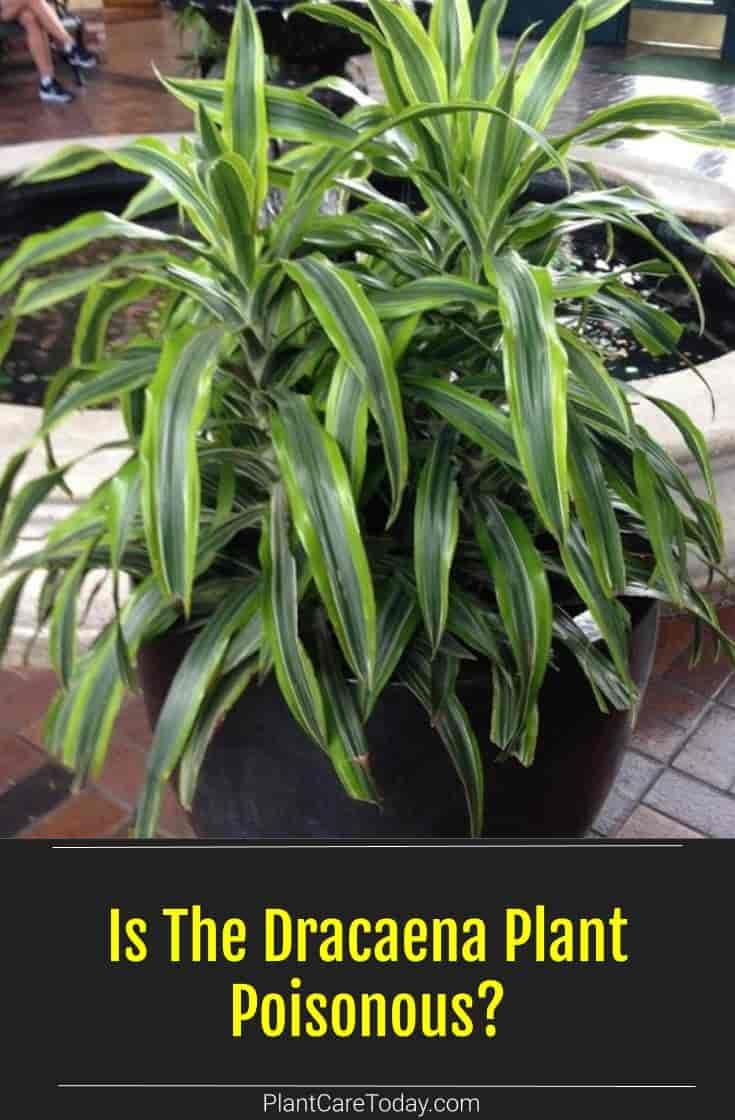
For cat owners who appreciate the clean lines and air-purifying qualities of the Dracaena marginata, often called the Madagascar dragon tree or red-eye dragon tree, understanding its potential impact on feline health is a critical responsibility. While this popular houseplant adds a dramatic touch to any living space, its relationship with curious cats requires careful attention. The ASPCA and other veterinary toxicology databases classify Dracaena marginata as being toxic to cats, primarily due to compounds like saponins and other unknown irritants found within its foliage. If a cat decides to take a bite, the immediate concern is not usually a fatal systemic poisoning, but rather significant gastrointestinal distress and oral irritation. Proactive pet-proofing and swift action following an incident are the cornerstones of keeping both your green décor and your feline companion safe.
Identifying the Toxic Components
The specific mechanism of toxicity in Dracaena marginata revolves around chemicals that act as gastrointestinal irritants and possible mild hallucinogens for cats. While not as acutely dangerous as lilies or antidepressants, the plant contains compounds, including steroidal saponins, that trigger a defensive reaction in a cat’s sensitive digestive system. These saponins can lead to a cascade of uncomfortable symptoms that manifest relatively quickly after ingestion. Unlike some plants that cause systemic organ failure, the toxins in this species tend to stay localized within the GI tract, though the resulting distress is very real and requires monitoring. Understanding that the plant is the source of these irritants is the first step in preventing a veterinary emergency.
Recognizing Symptoms of Poisoning
If your cat has nibbled on a Dracaena marginata, observing for clinical signs is essential, as the severity can vary based on the amount consumed. Owners should be vigilant for the following symptoms:


- Excessive drooling or foaming at the mouth, indicating immediate oral irritation.
- Vomiting, which is the body’s primary mechanism to expel the irritating saponins.
- Diarrhea, which may occur as the irritants move through the digestive tract.
- Lack of appetite or anorexia, as nausea sets in.
- Lethargy or depression, a response to general malaise and discomfort.
- Pawing at the mouth or face, suggesting lingering oral pain or a bitter taste.
While these symptoms are alarming, they are typically self-limiting and resolve as the plant material is eliminated from the body.
Immediate First Aid and Veterinary Response
In the event of suspected ingestion, the recommended first aid is straightforward and focused on prevention of further absorption. Do not induce vomiting unless specifically instructed to do so by a veterinarian or poison control expert, as this can sometimes cause additional aspiration risk or esophageal damage. Instead, offer a small amount of water or milk to help dilute the irritants in the stomach, but only if the cat is alert and able to swallow comfortably. The single most important step is to contact your veterinarian or the ASPCA Animal Poison Control Center (APCC) immediately. They will guide you through the next steps, which may include an examination to check for mouth lesions and supportive care to manage vomiting or dehydration.


Long-Term Prognosis and Recovery
The good news for cat owners is that Dracaena marginata poisoning rarely leads to long-term health consequences. The prognosis is generally excellent because the toxins do not typically invade the bloodstream or damage vital organs like the liver or kidneys. Recovery is almost entirely focused on supportive care while the cat’s gastrointestinal system recovers. This might involve a short period of fasting followed by a bland diet of boiled chicken and rice, along with subcutaneous fluids if dehydration occurred. Once the irritants are expelled, the cat should return to full health without any lingering effects, provided secondary complications like severe dehydration are avoided.
Preventative Measures for a Cat-Friendly Home
The most effective treatment for Dracaena marginata poisoning is prevention, which requires understanding a cat's natural instincts. Cats are curious climbers and chewers by nature, and the dangling red leaves of the dragon tree can look like an irresistible toy. To maintain a harmonious household, consider the location of the plant carefully. Hanging baskets placed well out of reach or placing the pot inside a closed porch or room that the cat cannot access are the safest options. If removing the plant is not feasible, try applying a bitter-tasting deterrent spray to the leaves or surrounding surfaces. Providing your cat with its own cat grass or safe chew toys can also redirect its chewing behavior away from toxic greenery.
Comparing Common Household Plants
While Dracaena marginata poses a clear risk, it is helpful to contextualize its danger level against other common houseplants. Unlike the extreme toxicity of lilies (which cause acute kidney failure in cats) or the severe neurological effects of antidepressants, Dracaena marginata is considered a moderate irritant. It is significantly less dangerous than plants in the Dieffenbachia or Philodendron families, though those also cause similar gastrointestinal and oral symptoms. This comparison reinforces that while the Madagascar dragon tree is not a "death sentence" like some other toxins, it should still be treated with the respect it deserves to ensure a cat's safety and comfort. Knowledge of these varying risk levels empowers owners to make the best choices for their environment.




Related Articles

Hydrangea Poisonous for Cats: Symptoms, Safety & Prevention Tips
As the weather warms and gardens burst into bloom, many pet owners find themselves asking the safety of their favorite plants. The hydrangea, with its large...

Bougainvillea Poisonous to Cats: Symptoms, Safety Guide & Prevention
While often celebrated for its vibrant, papery bracts that drape over walls and balconies, the bougainvillea is a plant that demands respect from pet owners...

Peony Poisonous to Cats: Symptoms, Safety, and Immediate Action
For cat owners who also happen to be enthusiasts of lush, romantic gardens, the peony presents a unique dilemma. This iconic flower, celebrated for its...

Goldenrod Toxic to Cats: Symptoms, Safety, and Prevention
Goldenrod often appears in late summer meadows, its bright yellow flowers a familiar sight along roadsides and fields. While this plant is a vital part of the...

Are Mandevillas Poisonous to Cats? Safety Guide for Pet Owners
If you are a cat owner with a keen interest in gardening, you have likely asked yourself, are mandevillas poisonous to cats? This is a critical question, as...

Jade Plant Poisonous: Safety Guide & Symptoms Explained
Concerns about the jade plant poisonous potential are common among new and experienced plant owners alike. While the jade plant, scientifically known as...