Does Kimchi Have Salt? Health Benefits & Sodium Truths
Kimchi, the iconic fermented dish from Korea, is celebrated for its bold flavors, crunch, and probiotic power. A question that frequently arises, especially for those monitoring their sodium intake, is straightforward: does kimchi have salt? The answer is yes, but the story is more nuanced than a simple confirmation. Salt is not merely a seasoning in kimchi; it is a fundamental component that shapes its texture, flavor development, and safety during the fermentation process. Understanding the role of salt helps consumers make informed choices about this nutritious staple.
The Essential Role of Salt in Kimchi
To appreciate why salt is present, it is necessary to look at its function beyond adding a salty taste. In the initial preparation, salt draws moisture out of the vegetables, primarily napa cabbage and Korean radish, through osmosis. This step is critical for creating the signature crisp texture and reducing the water content to a level where beneficial lactic acid bacteria can thrive. Furthermore, salt acts as a natural preservative, inhibiting the growth of harmful bacteria and allowing the desirable fermentation to proceed safely over days and weeks.
Variations in Salt Content
Not all kimchi is created equal, and the salt content can vary significantly depending on the brand, recipe, and style. Traditional, homemade recipes often require a substantial amount of salt to properly cure the vegetables and kickstart fermentation. Commercially produced versions, however, often aim for a balance between authenticity and modern dietary guidelines. You will find a spectrum of products, from those that are noticeably salty to others labeled as "low-sodium" or "lightly salted." The specific ingredients and fermentation techniques used by different manufacturers directly influence the final sodium level found in the jar.


Health Considerations and Sodium Intake
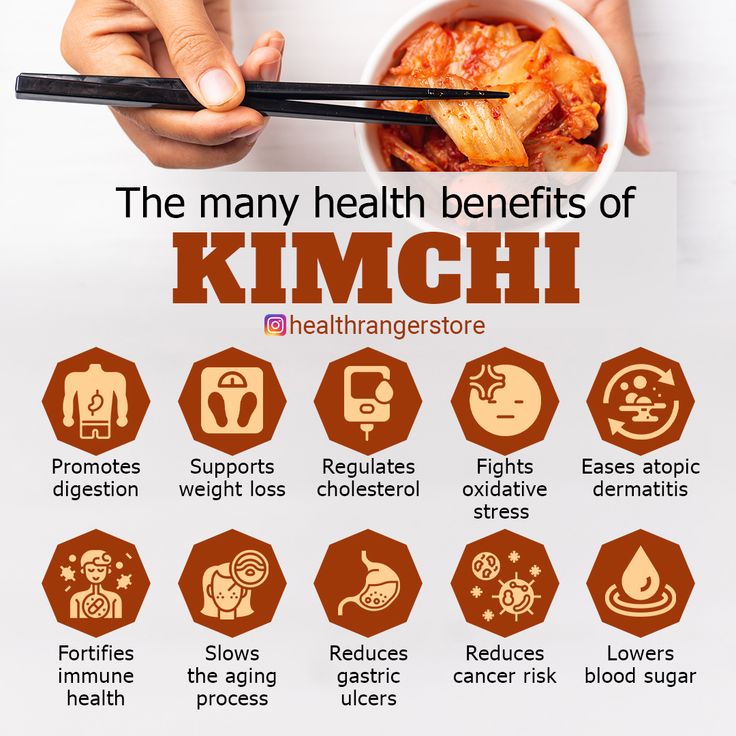
Because salt is used so prominently, kimchi is indeed a source of sodium. For individuals managing conditions such as hypertension or heart disease, the sodium content is a valid concern. Health experts often recommend consuming kimchi in moderation as part of a balanced diet or selecting specific low-sodium options. However, it is also important to recognize the nutritional benefits of kimchi, which include vitamins, minerals, and probiotics, and to account for its salt content within the context of one's overall daily sodium consumption.
Taste, Fermentation, and Sodium Balance
Reducing the salt content is not as simple as omitting a spoonful; it can significantly impact the fermentation process and the final flavor profile. Salt helps create the acidic environment necessary to develop the complex, tangy flavors we associate with well-made kimchi. Low-sodium versions may ferment more quickly and can sometimes taste sharper or less balanced than their traditional counterparts. Consequently, manufacturers of reduced-sodium kimchi often rely on alternative methods, such as extended fermentation or the addition of flavor enhancers, to achieve a palatable taste and texture without compromising safety.


Making Informed Choices
For the consumer, navigating the sodium content of kimchi requires a bit of label literacy. The nutrition facts panel is the best place to start, allowing you to compare different brands and serving sizes. Some producers specifically market their products as "low salt" or "unsalted," catering to health-conscious shoppers. Others emphasize traditional methods, where the higher sodium content is a byproduct of authentic preparation. By reading labels carefully, you can find a version of kimchi that aligns with your taste preferences and health goals.
Conclusion on Salt and Enjoyment
The presence of salt in kimchi is an undeniable fact, but it is also a necessary one that defines the character of this beloved dish. While the sodium levels can vary, the function of salt remains consistent: to preserve the vegetables, create the ideal environment for fermentation, and build the deep, savory flavor profile. Enjoying kimchi responsibly involves acknowledging its salt content while appreciating the unique culinary and probiotic qualities it offers. With a bit of knowledge and label-savvy shopping, it is possible to enjoy this flavorful Korean tradition in a way that suits a modern, health-aware lifestyle.




Related Articles

Does Chamomile Tea Have Health Benefits? Discover the Truth
Chamomile tea has long been celebrated as a gentle herbal remedy, but the question on many wellness-focused minds remains: does chamomile tea have health...

What Does Red Algae Do? 7 Surprising Benefits For Skin & Health
Red algae, a diverse and ancient group of marine organisms, plays a far more significant role in our world than its deep-sea appearance might suggest. Often...

Unlock the Power of Salt Lamps: Surprising Health Benefits You Need To Know
Himalayan salt lamps have become a staple in wellness-focused homes, often praised for their warm, ambient glow and distinctive rustic appearance. Crafted from...

Does Chocolate Have a Lot of Caffeine? Sugar-Free Truths & Buzzing Facts
When you reach for a bar of chocolate or a dark roast coffee, you might be seeking a familiar lift. Both are celebrated for their ability to provide a gentle...

Himalayan Salt Lamp Benefits: Glow Your Health
Himalayan salt lamps have surged in popularity, transforming from niche wellness products into mainstream home decor staples. At their core, these blocks of...

What Does Sodium Bicarbonate Do for Pools? Key Benefits Explained
Sodium bicarbonate, commonly known as baking soda, is a fundamental chemical compound with the formula NaHCO3 that plays a critical role in maintaining the...