The Ultimate DIY Arbor Kits Guide: Build Your Dream Garden Archway Today
For homeowners looking to add both structure and vertical interest to their gardens, a DIY arbor kit offers an accessible and rewarding project. These pre-packaged sets provide the essential components—usually posts, rafters, and sometimes brackets—needed to create a sturdy framework for climbing plants. By handling the assembly yourself, you gain the flexibility to position the structure exactly where your garden design requires it, rather than being limited to pre-built locations.
Understanding the Components of a DIY Arbor Kit
While the specific materials can vary based on budget and aesthetic, most quality DIY arbor kits fall into one of three primary construction categories. Understanding the differences between these materials is crucial for selecting a kit that will stand the test of time and weather. Choosing the right foundation ensures your arch becomes a permanent, beautiful feature rather than a temporary fixture.
Material Options: Wood, Metal, and PVC
The market offers DIY kits in three main materials, each with distinct characteristics affecting durability, maintenance, and appearance:


| Material | Key Characteristics | Best For |
|---|---|---|
| Pressure-Treated Pine | Affordable, rustic look; requires sealing | Budget-conscious projects with regular maintenance |
| Galvanized Steel | Exceptional strength, modern look; rust-resistant | High-traffic areas and contemporary designs |
| Vinyl or PVC | Low maintenance, faux wood appearance | Humid climates where rot is a concern |
The Installation Process Demystified
Successfully erecting a DIY arbor begins long before the first screw is turned. Proper site preparation is the difference between a sagging structure and one that remains straight for decades. This phase involves assessing sunlight patterns, checking soil drainage, and verifying the location does not interfere with underground utilities.
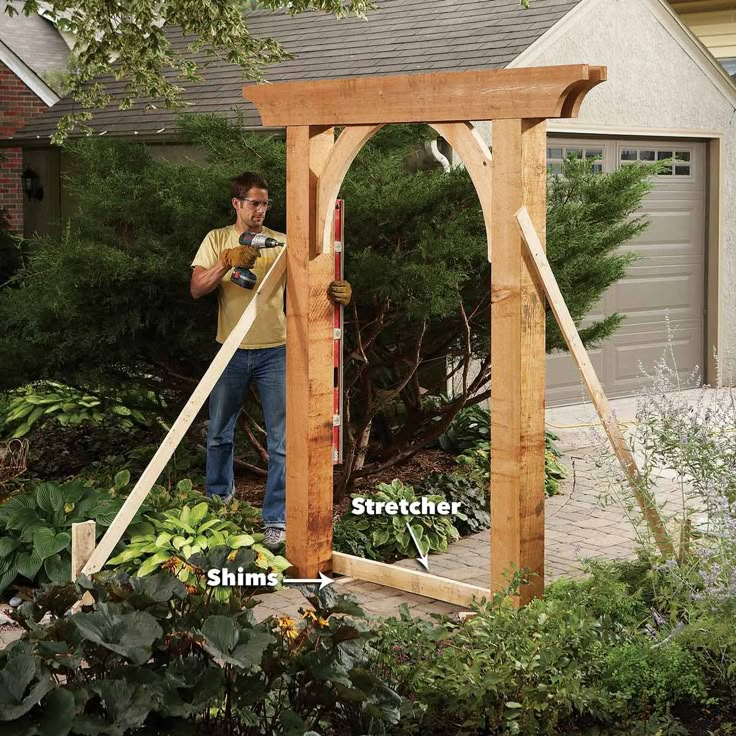
Leveling the installation site is a critical step that cannot be rushed. Most kits recommend setting the posts in concrete to provide the necessary stability. Whether you choose to set the structure directly into the ground or use a base plate anchored to a solid surface, ensuring perfect vertical alignment with a level is essential for the structural integrity of the entire frame.


Design Customization and Personalization
One of the most satisfying aspects of choosing a DIY arbor kit is the ability to customize the final look to match your personal style or the architecture of your home. While the basic structure is provided, the finishing touches are entirely up to you. A simple coat of paint can transform a basic kit into a vibrant focal point that complements your exterior color palette.
For those interested in increasing the horticultural value of the structure, planning for vine attachment during installation is key. Installing sturdy trellis panels or leaving space for wire guides ensures that heavy climbers like wisteria or grape vines have something to grip as they grow and mature. This turns the kit from a simple gate into a thriving green wall.
Long-Term Care and Maintenance Strategies
To ensure your arbor remains a garden staple for years, a proactive approach to maintenance is necessary. Wooden structures, in particular, require annual inspections for signs of weathering or pest infestation. Applying a fresh coat of stain or sealant protects the wood from moisture, which is the primary cause of rot and decay over time.


Metal frameworks, while generally low maintenance, should be checked periodically for scratches or chips in the galvanized coating. Addressing these spots with touch-up paint or zinc-rich primer prevents rust from spreading and compromising the structural components. With this minimal care, a DIY arbor kit can provide a lifetime of shade and beauty.




Related Articles

Geo Dome House Kits: Build Your Dream Home Off-Grid Today
For homeowners seeking a resilient and architecturally distinctive shelter, the geo dome house kit represents a compelling evolution in residential design...

Thriving in Zone 9a: The Ultimate Guide to Growing Your Garden
Zone 9a represents a dynamic gardening environment where the balance between temperate winters and long, humid summers creates a unique horticultural...

The Ultimate Guide to Building a Dog Run in Your Backyard
Building a dedicated dog run in your backyard is one of the most impactful improvements you can make for your pet’s physical health and mental well-being. It...

Transform Your Garden: Ultimate Guide to Patio Edging Strips
Defining the perimeter of your outdoor living space is often the final, crucial step in transforming a simple backyard into a polished and functional retreat...

Custom Plunge Pool: The Ultimate Guide to Designing Your Dream Oasis
Imagine stepping into a perfectly sized pool carved into the natural rock at the edge of your property, the water level sitting just at your waist, creating an...

Dream Home Plans with Outdoor Living: Your Ultimate Backyard Guide
For many homeowners, the distinction between the interior of the house and the surrounding landscape has never been blurrier. A home plan centered on outdoor...