Modern Marvels: Designing a Contemporary Rock Garden Oasis
Contemporary rock gardens move far beyond the simple scattering of stones seen in traditional Zen designs. They represent a sophisticated fusion of rugged naturalism and minimalist architecture, creating outdoor sanctuaries that are both visually arresting and deeply peaceful. This modern approach prioritizes clean lines, thoughtful plant selection, and the deliberate use of stone to sculpt space and manage water efficiently.
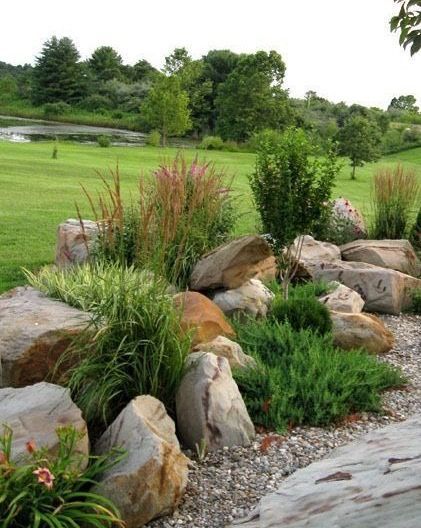
At the heart of this style lies a philosophy of contrast. The harsh, geometric shapes of rocks are balanced by the soft, organic forms of carefully chosen succulents, grasses, and dwarf conifers. The goal is to capture the raw, timeless beauty of a mountain vista within a manageable and intimate garden setting, translating the wild into the curated.
The Core Principles of Modern Stone Landscaping
Understanding the foundational elements is key to designing a successful contemporary rock garden. This is not merely about placing stones; it is a disciplined exercise in composition and materiality. Every element serves a purpose, contributing to the overall harmony and function of the space.


Strategic Stone Placement
The selection and positioning of stones, or *suiseki*, is the most critical aspect. Instead of using numerous small rocks, modern designs favor fewer, larger boulders. These anchor points are chosen for their unique form, texture, and color, and are placed asymmetrically to create a sense of dynamic tension and visual interest, mimicking how boulders appear naturally in the wild.
Curated Plant Palette
The plant selection is intentionally restrained, focusing on species that thrive in rocky, well-drained conditions and possess year-round interest. The palette is often limited to a few key varieties to maintain a clean aesthetic. Plants are used to soften the edges of the stones and introduce subtle variations in color and texture throughout the seasons.


| Category | Example Plants | Role in the Garden |
|---|---|---|
| Architectural Accents | Dwarf Agave, Blue Fescue Grass | Provide structure and vertical lines |
| Softeners | Irish Moss, Sedum 'Angelina' | Cover soil, add texture, spill over rocks |
| Focal Points | Japanese Maple, Dwarf Pine | Offer seasonal color and height |
Designing for Serenity and Function
Beyond aesthetics, contemporary rock gardens are designed with practicality in mind. The use of gravel and decomposed granite as primary ground cover eliminates the need for water-thirsty lawns and suppresses weeds effectively. This creates a low-maintenance landscape that remains attractive year-round, even in arid climates.
When integrated thoughtfully, these gardens can define spaces within a larger yard. A small courtyard can be transformed into a tranquil meditation nook, while a slope that is difficult to mow becomes a dramatic focal point. The key is to frame the view, perhaps with a simple timber edging or a low wall, creating a clear boundary between the rock garden and the surrounding lawn.
The Enduring Appeal of Stone and Simplicity
The popularity of the contemporary rock garden is rooted in a desire for spaces that offer respite from everyday noise. The tactile experience of rough stone underfoot and the visual calm of a limited color palette create an atmosphere of immediate tranquility. It is a landscape that invites contemplation and mindfulness, proving that beauty can be found in restraint and the timeless power of natural materials.




Related Articles

Stone Terrace Garden Ideas: Designing Your Outdoor Oasis
Transforming a stark, unused expanse of concrete or compacted earth into a vibrant sanctuary is the promise of the stone terrace garden. This design concept...

Sleek Outdoor Contemporary Fountains: Modern Water Garden Designs
An outdoor contemporary fountain transforms an ordinary backyard or urban patio into a sophisticated sanctuary. Unlike traditional ornamental designs, these...

Stunning Flower Rock Garden Ideas for a Unique Outdoor Oasis
Transforming a neglected corner of your yard into a source of daily serenity is easier than you might think with a flower rock garden. This design philosophy...
10 Stunning Zone 5 Rock Garden Design Ideas for a Low-Maintenance Oasis
Creating a zone 5 rock garden design harmonizes rugged aesthetics with the practical realities of colder climates. This gardening zone, characterized by winter...

Stunning Slate Rock Garden Ideas for Stunning Outdoor Oasis
Transforming a simple backyard into a tranquil retreat is easier than you might think, and slate rock garden ideas offer a perfect solution. This natural...

Charming Country Style Rock Garden Ideas for a Rustic Oasis
Creating a country style rock garden is about capturing the relaxed, timeless charm of a rural cottage garden, but with the added dimension of texture and...