Sleek Contemporary Living Rooms: Design Ideas & Trends
Today’s contemporary living room is less a static display and more a dynamic reflection of how we actually live. It is the place where work bleeds into relaxation, where remote calls happen beside movie nights, and where the design needs to be as adaptable as the people moving through the space. Stripping away the unnecessary while keeping the essential is the guiding principle, creating an environment that feels both curated and effortlessly liveable.
The Hallmarks of Modern Design
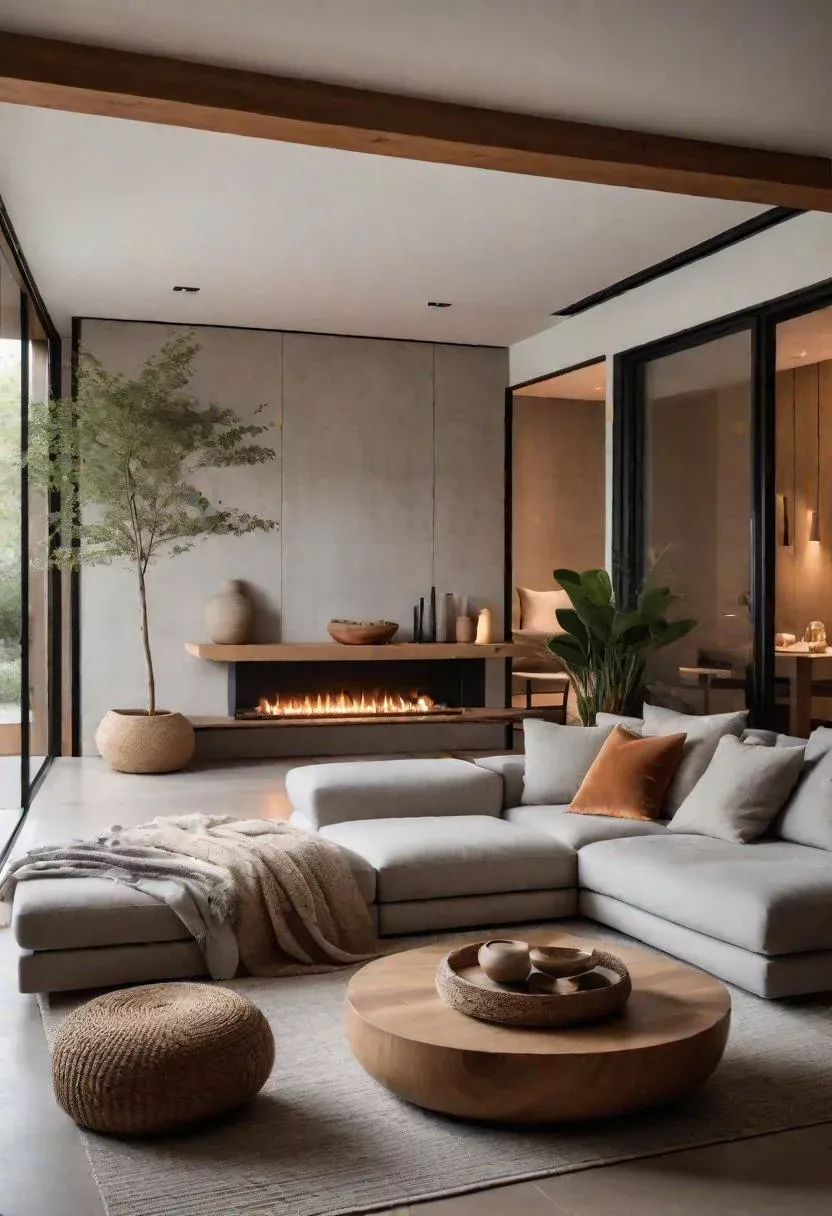
At its core, contemporary style is defined by a clear set of aesthetic priorities that distinguish it from traditional or maximalist approaches. Clean, unbroken lines replace heavy ornamentation, with furniture often featuring rectangular silhouettes, smooth planes, and minimal decoration. The colour palette leans towards a sophisticated neutrals base—whites, greys, beiges, and soft blacks—punctuated by small doses of curated colour. This creates a sense of visual calm that makes the room feel larger, airier, and more intentional.
Embracing Openness and Light
Natural light is perhaps the most valuable asset in a contemporary living area. Designers prioritise openness, often using seamless glass partitions or sliding doors to connect the interior with the outdoors or adjacent spaces. This strategy floods the room with daylight, enhancing the sense of space and reducing the need for artificial lighting during the day. The result is an atmosphere that feels vibrant and awake, blurring the boundaries between the home and the world outside.


The Role of Intelligent Storage
Clutter is the enemy of any sleek space, and contemporary design tackles this issue head-on with built-in and architectural storage solutions. Rather than allowing baskets and boxes to scatter around the room, wardrobes, shelves, and cabinets are integrated into the walls, keeping personal items hidden behind clean handles and minimalist facades. This "hidden chaos" approach ensures that the living room remains a serene sanctuary for entertaining and relaxing, even when daily life gets busy.
Textural Layering for Warmth
To avoid the coldness that can sometimes accompany minimalist aesthetics, layering texture is essential. A plush velvet sofa might be paired with a rough-hewn stone coffee table, while a shaggy wool rug sits beneath polished concrete floors. Mixing materials like matte finishes, polished metals, and natural woods adds depth and a tactile quality to the space. This focus on touchable, real materials is what prevents the look from feeling sterile or outdated.


Technology as a Seamless Element
In the modern living room, technology is no longer an afterthought; it is a foundational element that influences the layout. Flat-screen TVs are often mounted flush onto the wall or hidden within cabinetry, eliminating the bulky presence of traditional entertainment units. Soundbars and wireless speakers are integrated into the architecture, ensuring that the immersive audio experience is available without compromising the visual simplicity of the room.
The Flexible Furniture Shift
Flexibility is a keyword in contemporary living, and furniture is evolving to meet that demand. Modular sectionals allow the layout to change depending on the number of guests or the activity taking place. Lift-top coffee tables provide work surfaces, while nesting tables can be tucked away when not in use. This intelligent approach to furniture means the room can transition from a space for entertaining to a quiet nook for reading without a major overhaul.
Ultimately, a successful contemporary living room achieves a delicate balance. It marries cutting-edge design with the warmth of personal history, offering a space that is both visually stunning and deeply comfortable. By focusing on clean lines, intelligent storage, and adaptable pieces, homeowners can create a living environment that doesn’t just look modern today but will continue to feel relevant and inspiring for years to come.




Related Articles
Modern Home Living Rooms: Design Ideas & Trends
For many, the living room remains the emotional center of the home, a space where the day's stress dissolves and personal style comes alive. Modern home living...

Contemporary Interior Decorating: Sleek Design Ideas & Trends
Contemporary interior decorating is less about chasing trends and more about crafting a space that reflects a modern sensibility balanced with personal...

Sofas & Sectionals Living Room Ideas: 2025 Trends & Design inspo
Creating a cohesive living room starts with the foundation of comfort and style: your sofas and sectionals. This central piece dictates the flow of the space...

Half Wall Kitchen Living Room: Design Ideas & Trends
The half wall between kitchen and living room is a design solution that balances openness with structure. It defines separate zones without closing off the...

Stunning Red and White Living Rooms: Design Ideas & Inspiration
Red and white living rooms create an immediate visual impact that is both bold and inviting. This classic color duo forms a timeless foundation for interior...

Sleek Modern High End Kitchens: Design Ideas & Trends
The modern high end kitchen is no longer just a place to prepare meals; it has evolved into the undeniable heart of the home, a sophisticated command center...