Contemporary Design Style: Modern Ideas for Your Space
Contemporary design style is less a fixed set of rules and more a fluid conversation between the present moment and the future. It is the visual language of our current era, defined by a sophisticated blend of minimalism, clean lines, and a curated emphasis on quality over quantity. Unlike traditional styles that often cling to ornate details or historical references, the contemporary look is forward-thinking, adaptable, and deeply intentional. It creates spaces that feel breathable, uncluttered, and immediately relevant, providing a serene backdrop for modern living.
At its core, the philosophy of contemporary design is rooted in the principle of form following function. Every element in a room should have a purpose, contributing to the overall harmony and flow of the space. This approach naturally leads to an environment free from unnecessary ornamentation, where structural elements like beams or exposed ductwork can be celebrated as features rather than hidden. The goal is a sense of openness and clarity, achieved through a restrained color palette, usually dominated by neutrals like white, beige, gray, and soft earth tones, which serve as a calm canvas for intentional statement pieces.
The Pillars of a Modern Aesthetic
Understanding the foundational elements helps in identifying and executing a coherent contemporary look. This style is built on a delicate balance between hard architectural lines and soft, comfortable furnishings. The result is an environment that is both visually striking and emotionally inviting, never feeling cold or sterile. Key characteristics define this equilibrium and distinguish it from other minimalist or modern aesthetics.

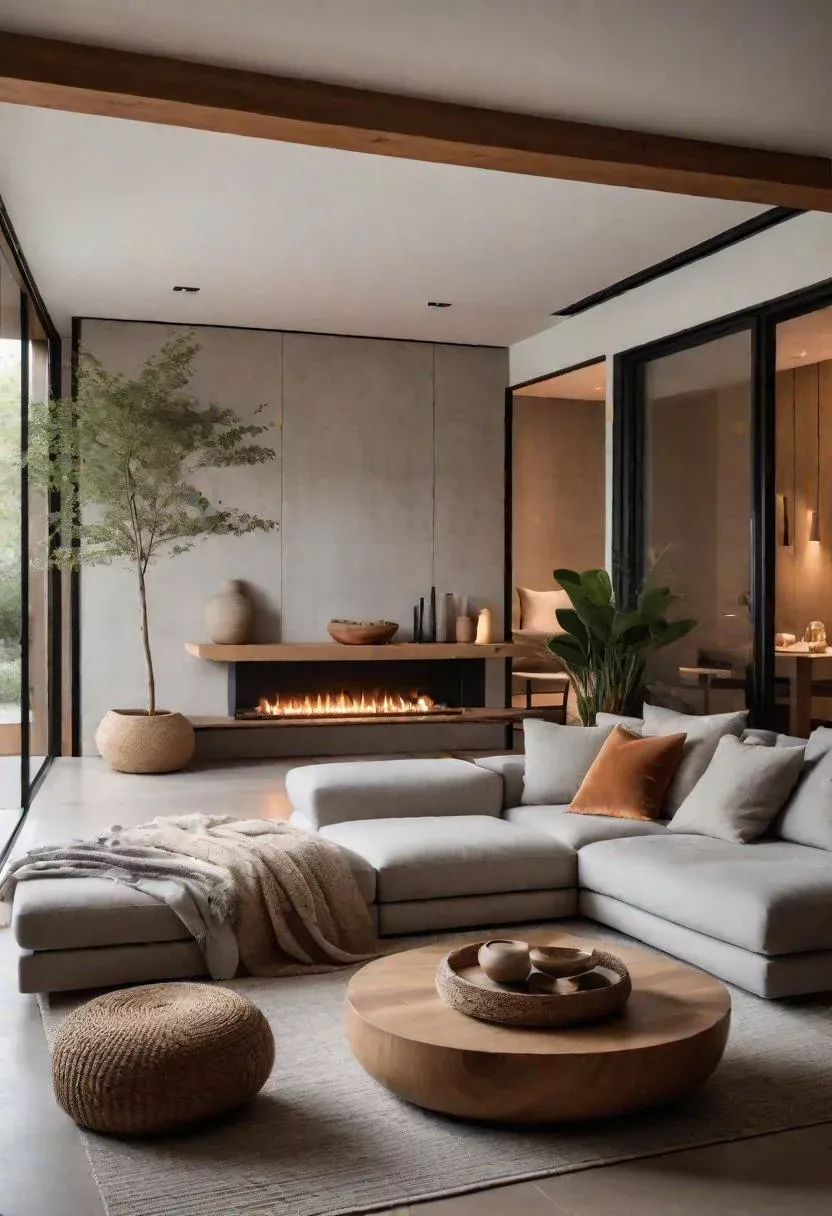

Clean Lines and Geometric Simplicity
In contemporary design, you will find a distinct preference for clean, straight lines and geometric shapes. Furniture pieces are characterized by their low profiles and slender frames, which create a sense of visual lightness and allow the eye to move freely across the room. Ornamental carvings or excessive detailing are replaced by smooth surfaces and simple silhouettes, whether in a sleek sofa, a rectangular coffee table, or a linear chandelier. This focus on simplicity is what gives the style its timeless and uncluttered feel.
Materiality and Texture
With a muted color scheme, texture becomes a primary tool for adding warmth and visual interest. The contemporary palette is brought to life through the strategic use of natural and mixed materials. Think of the cool, smooth finish of polished concrete or lacquered wood contrasted with the softness of a plush velvet sofa or the organic warmth of a raw stone accent wall. Fabrics like wool, silk, and linen are often used in their natural states, adding depth and a tactile quality that prevents the space from feeling overly sparse.


| Material | Role and Aesthetic Contribution |
|---|---|
| Polished Concrete | Provides a cool, industrial-chic foundation with a high-gloss finish. |
| Natural Wood (e.g., Oak, Walnut) | Adds warmth, grain, and a connection to nature without overwhelming the space. |
| Metals (Brushed Nickel, Matte Black) | Introduces a sleek, modern edge through minimalist hardware and fixtures. |
| Glass and Acrylic | Creates transparency and lightness, making a room feel larger and more open. |
Curating the Space: Art and Function
A contemporary home is a gallery as much as it is a living space. Art plays a pivotal role, but the selection is deliberate. Large-scale, abstract, or conceptual pieces in monochromatic or bold primary colors often take center stage on a feature wall. The art is not just decoration; it is a reflection of the inhabitant's personality and a focal point that anchors the room's neutral backdrop. Lighting fixtures are also sculptural elements, with sleek pendants or arc lamps serving as both sources of illumination and statement pieces.
Beyond aesthetics, true contemporary design excels in intelligent functionality. Built-in storage solutions are seamlessly integrated into the architecture, hiding clutter and maintaining clean lines. Multi-purpose furniture and smart home technology are often embraced to enhance convenience and efficiency. The seamless integration of technology allows for control over lighting, temperature, and entertainment through simple commands, supporting the style's emphasis on a streamlined, effortless lifestyle. This marriage of form and function is what makes the style so practical for modern life.
Evolving and Personalizing the Trend
One of the greatest strengths of contemporary design is its adaptability. It is not a stagnant style but one that evolves with the times, absorbing influences from other design movements while maintaining its core identity. This means you can infuse warmth and character without breaking the aesthetic. Adding a single piece of vintage furniture or a splash of color through textiles like cushions or a rug can create a unique and personal narrative. The key is to do so thoughtfully, ensuring the item speaks to your taste and complements the overall serene and sophisticated atmosphere.


Ultimately, contemporary design is about creating a home that feels current, calm, and completely authentic to you. It is a sophisticated dance between order and expression, where every choice is a step towards a space that is both beautiful and functional. By focusing on quality materials, intentional layouts, and a curated sense of style, you can achieve an environment that not only looks stunning today but will continue to feel relevant and inspiring for years to come.


Related Articles

Contemporary Interior Design Definition: Style, Space & Modern Trends
Contemporary interior design is often misunderstood as a fleeting trend, a simple preference for sleek furniture or neutral color palettes. In reality, it is a...

Maximize Your Space: Ultimate Home Bedroom Office Design Ideas
The concept of a home bedroom office has evolved from a simple desk in a corner to a central pillar of modern work-life integration. As remote and hybrid work...

Charming Modern Cottage Style Homes: Design Ideas & Trends
Modern cottage style homes represent a thoughtful evolution of classic rural architecture, blending the cozy charm of a bygone era with the clean lines and...

Maximize Your Space: 300 Sq Foot Family Room Design Ideas
Maximizing comfort and functionality within a 300 sq foot family room is the ultimate test of smart interior design. This specific area represents a sweet spot...

20+ Stunning Double Bedroom Design Ideas for Maximum Space & Style
Creating a functional and inviting double bedroom design starts with understanding the room as a personal sanctuary. This space is often the backdrop for daily...

Low Ceiling Design Ideas: Maximize Space & Style
Low ceilings are often viewed as a spatial limitation rather than an opportunity for intentional design. Most homeowners and designers instinctively reach for...