Coffee Before or After Workout: Ultimate Guide for Maximum Energy & Results
For the dedicated athlete and the casual gym-goer alike, the pursuit of peak performance often extends beyond the sets, reps, and miles logged. It lives in the seemingly small decisions, like the timing of your pre-workout fuel. Few beverages ignite as much debate in fitness circles as coffee, and the question of whether to drink it before or after training can significantly influence your results. The answer is not a simple rule but a strategic choice that depends on your specific goals, physiology, and the type of workout you are about to undertake.
The Science of Caffeine and Physical Performance
Caffeine is a powerful central nervous system stimulant, and its impact on exercise performance is well-documented. When consumed, it blocks adenosine receptors in the brain, which reduces the perception of effort and fatigue, allowing you to push harder and longer. It also increases the release of adrenaline, preparing your body for intense physical exertion. The timing of this boost is critical. Consuming coffee before a workout leverages these physiological changes to directly enhance your capacity for strength, endurance, and power. Waiting until after the session largely misses the window for using caffeine as a performance enhancer, instead using it primarily for recovery purposes.
Benefits of a Pre-Workout Coffee
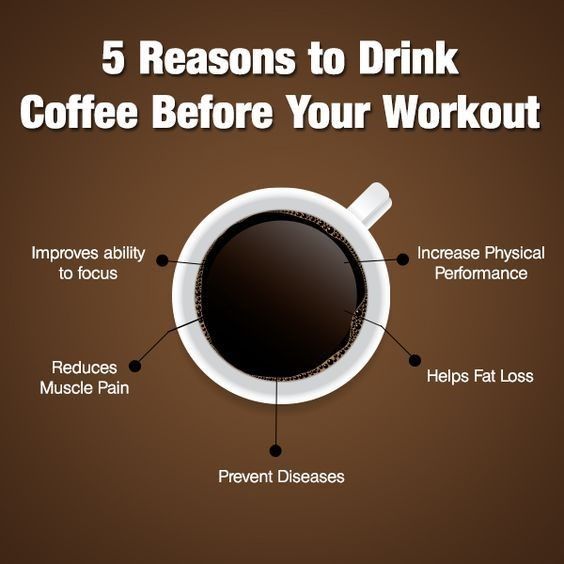
Drinking coffee roughly 30 to 60 minutes before you train is widely considered the optimal strategy for performance gains. This timing allows caffeine to reach its peak concentration in your bloodstream, syncing perfectly with the start of your workout. The benefits are tangible: increased alertness can sharpen your focus on form and technique, reduced perceived effort makes that final rep or last mile feel easier, and enhanced fat oxidation can be particularly beneficial for endurance athletes. For those engaged in high-intensity interval training or heavy strength sessions, the performance boost from a pre-workout coffee can be the extra edge needed to break through a plateau.


When to Skip the Pre-Workout Brew
However, pre-workout coffee is not a universal solution. Individuals who are highly sensitive to caffeine may experience negative side effects such as jitters, anxiety, or an elevated heart rate, which can be dangerous during intense exercise. Furthermore, caffeine can act as a diuretic, and for those who do not hydrate properly, it might lead to dehydration. If your workout is low-intensity, such as a leisurely walk or gentle yoga, the powerful stimulant effects of coffee may be unnecessary and could simply lead to a distracting buzz. In these cases, focusing on hydration and listening to your body is a wiser approach.
The Case for Post-Workout Coffee
While pre-workout consumption targets performance, post-workout coffee offers distinct advantages centered around recovery. One of the primary roles of caffeine after exercise is its ability to block adenosine receptors that are responsible for signaling tiredness. This can help alleviate post-exercise fatigue, allowing you to feel more alert and ready to tackle the rest of your day. Additionally, some research suggests that caffeine can aid in the replenishment of muscle glycogen stores when consumed with carbohydrates, effectively speeding up the recovery process. It also provides a comforting ritual that can help mentally transition out of the training mindset.


Optimizing Recovery with Coffee
If your primary goal is muscle repair and growth, timing your coffee after your workout is strategic. Consuming it within the 30-minute to 2-hour window post-exercise, when your body is most receptive to nutrient uptake, can be beneficial. Pairing your coffee with a source of protein and carbs, like a smoothie with a handful of berries, creates a powerful recovery beverage. This combination not only helps restore energy levels but also leverages caffeine’s potential to reduce muscle soreness and inflammation, helping you get back to training faster.
Strategic Recommendations for Your Routine
The ideal approach is not one-size-fits-all but a personalized strategy based on your objectives. To help you decide, consider the following comparison of the two timings:
| Timing | Primary Goal | Best For |
|---|---|---|
| Before Workout | Performance Enhancement | Strength training, HIIT, endurance events, breaking plateaus |
| After Workout | Recovery & Fatigue Management | Muscle repair, glycogen replenishment, managing post-workout tiredness |
Ultimately, experimenting with both timings is the best way to discover what works for your unique biology and training regimen. By understanding the science behind caffeine, you can move beyond the debate and use your morning brew as a precise tool to elevate your fitness journey, whether that means igniting your performance in the gym or optimizing the recovery that follows.


Related Articles

Elevate Your Gains: The Ultimate After Meal Workout for Maximum Results
Finishing a meal and immediately heading to the gym is a habit many fitness enthusiasts struggle with. While the idea of burning off calories right after...

1 Cup of Coffee Caffeine: The Ultimate Energy Boost Guide
For the average coffee drinker, the morning ritual is less about the beverage itself and more about the biological handshake that delivers caffeine into the...

The Ultimate Guide to Why Brine a Turkey Before Roasting: Juicy & Tender Results
Few kitchen tasks inspire as much confidence and dread in equal measure as preparing a roasted turkey. The promise of a golden, crisp-skinned bird surrounded...

The Ultimate Guide: Do You Put Primer On Before or After Makeup?
Navigating the complex world of makeup application can feel overwhelming, especially when trying to determine the precise order of your products. One of the...

Shine Like New: The Ultimate Brass Before and After Cleaning Guide
Brass before and after cleaning reveals one of the most satisfying transformations in the world of metal care. Over time, this warm, golden metal succumbs to...

Shampoo Before or After Conditioner: The Ultimate Guide
For most people, the act of washing hair is an automatic sequence performed in the shower: apply shampoo, rinse, apply conditioner, rinse. Yet, this routine...