Sparkling Clean Glassware with Vinegar: The Ultimate DIY Guide
For anyone who has ever stared into a cloudy, spotted glass, the frustration is real. Hard water minerals, lipstick rings, and the oily residue from last night’s takeout can make even the most expensive glassware look sad and unclean. While it is tempting to throw everything into the dishwasher, many crystal and hand-blown pieces cannot handle the harsh detergents and high heat. The good news is a powerful, natural solution is already in your pantry: distilled white vinegar. This common household staple cuts through grime without scratching delicate surfaces, making it the ideal choice for restoring clarity.
The Science Behind Vinegar’s Cleaning Power
The magic of vinegar comes down to chemistry. Its primary ingredient is acetic acid, a compound that effectively breaks down mineral deposits and alkaline films. When you see that hazy film on your wine glasses, you are looking with calcium carbonate left behind as the water evaporates. Vinegar, being a mild acid, reacts with this alkaline substance, dissolving it into a water-soluble salt that can simply be rinsed away. Unlike commercial cleaners packed with dyes and perfumes, vinegar cleans based on a simple, non-toxic reaction that leaves behind no harmful volatile organic compounds (VOCs).
Preparing Your Cleaning Solution
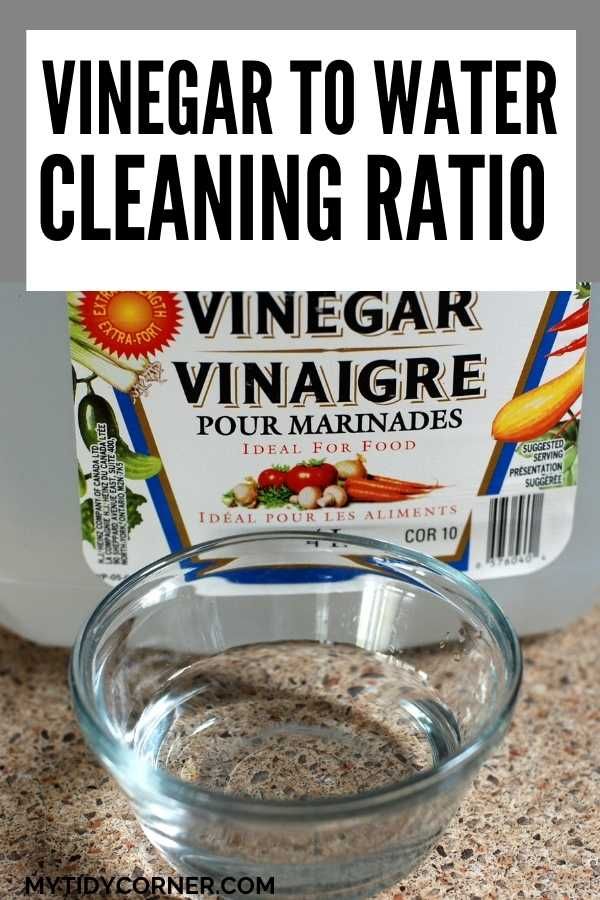
You do not need a complicated recipe to get professional results. A standard 5% acidity distilled white vinegar works perfectly for this task. The most effective method is to create a 50/50 mixture with warm water. Fill your kitchen sink or a large basin with warm water, then add the vinegar. The warmth of the water helps to loosen greasy residues, while the vinegar tackles the hard water stains. For severely neglected glassware, you can use full-strength vinegar, but the 50/50 ratio is generally gentle enough for fragile items while still being potent enough to handle tough jobs.


Soaking vs. Wiping: Best Practices
There are two primary ways to deploy your vinegar solution, and the method you choose depends on the object you are cleaning.
The Immersion Method
For glasses, tumblers, and small vases, immersion is the gold standard. Submerge the items completely in the solution. Let them sit for a minimum of 15 minutes. You will witness a visible chemical reaction; the vinegar will begin to dissolve the minerals, often creating a layer of foam on the surface. For especially limescale-heavy items, you might notice flakes breaking off, which is simply the mineral deposits detaching from the glass. Agitate the water occasionally to ensure all surfaces are exposed to the acid.


The Surface Wiping Method
For larger items like windows, mirrors, or glass table tops, a wiping approach is more practical. Spray the vinegar solution directly onto the surface using a spray bottle. Allow it to sit for a minute or two to break down the grime, then wipe with a microfiber cloth. Microfiber is ideal here because its electrostatic charge attracts dirt, and its soft texture will not scratch the glass. Avoid paper towels if possible, as they often leave behind a streamy residue that requires a second pass to clean up.
Tackling Specific Stains and Spots
Vinegar is versatile enough to handle a variety of specific issues that plague glassware. If your cups have tea or coffee stains that soak into the porous surface, a paste made from baking soda and a splash of vinegar can work wonders. Apply the paste to the stain, gently scrub with a soft cloth or non-abrasive sponge, and let the bubbling action lift the pigment. For lipstick marks, which are often oily, the grease-cutting power of the vinegar solvent is particularly effective. Simply soak a cloth in the solution and wrap it around the stained area for five minutes before wiping it clean.
Rinsing and Drying: The Final Steps
The cleaning is only half the battle; improper rinsing is the most common reason vinegar cleaning fails. If you skip this step, your glassware will smell like a pickle factory and may feel slightly sticky. After the soak or wipe, rinse the glass thoroughly under running tap water. To ensure no vinegar taste remains, you can perform a quick "touch test" by licking a finger and rubbing it on the surface; if it tastes sour, keep rinsing. For the sparkling shine that makes glassware look expensive, opt for air drying. Place the items on a clean drying rack or use a dish drying mat. Air drying prevents the hard water spots that can occur when heat from a drying cycle causes minerals to bake back onto the glass.


Safety and Maintenance Considerations
While vinegar is a natural product, it is still an acid and should be handled with respect. Never mix vinegar with bleach or ammonia; combining these creates toxic chlorine gas that is dangerous to breathe. When cleaning, ensure your kitchen is well-ventilated by opening a window or turning on the exhaust fan. Regarding the long-term health of your glassware, vinegar is generally safe for most surfaces, but use caution with natural stone or any coated glasses that specify "do not use with acids." Over time, the acidity can etch certain metals or plastics, so ensure you are using vinegar only on glass and rinsing the hardware of your sinks promptly after use.
| Issue | Vinegar Method | Expected Result |
|---|---|---|
| Cloudy Film/Limescale | 15-30 minute soak in 50/50 vinegar/water | Crystal clear, restored shine |
| Oily Residue (Food/Grease) | Wipe with vinegar solution or hot soapy vinegar soak | Grease removed, streak-free surface |
| Brown Tea/Coffee Stains | Baking soda paste with vinegar application | Stain lifted, original clarity |




Related Articles

Sparkling Clean Mirrors with Vinegar: The Ultimate DIY Guide
Few household tasks are as satisfying as seeing a perfectly clear mirror streak-free. Yet, for every commercial cleaner promising a flawless shine, there is an...

Sparkling Clean Coffee Maker: The Ultimate Vinegar Cleaning Guide
Few appliances demand the same level of daily dedication as the coffee maker. It churns out comforting mugs of energy, often before the fully conscious brain...

Restore Rusty Tools with Vinegar: The Ultimate DIY Cleaning Guide
Rust is the silent enemy of every tool enthusiast, slowly creeping across metal surfaces and turning reliable instruments into brittle, useless relics. Before...

Sparkling Hardwood Cleaning with Vinegar: The Ultimate DIY Guide
Hardwood floors are the crown jewel of any home, offering warmth and elegance that few other materials can replicate. Over time, however, daily foot traffic...

Sparkling Clean Tiles: The Ultimate Guide to How to Clean Tiles with Vinegar
For a straightforward and effective method to revitalize your floors and grout lines, learning how to clean tiles with vinegar is an essential household skill...

The Ultimate Guide to Cleaning Suede Shoes with Vinegar: Expert Tips
Suede shoes are a timeless addition to any wardrobe, offering a unique texture and sophisticated look that is difficult to replicate with other materials...