The Ultimate Blueberry Pie Recipe: A Burst of Sweet & Tangy Flavor
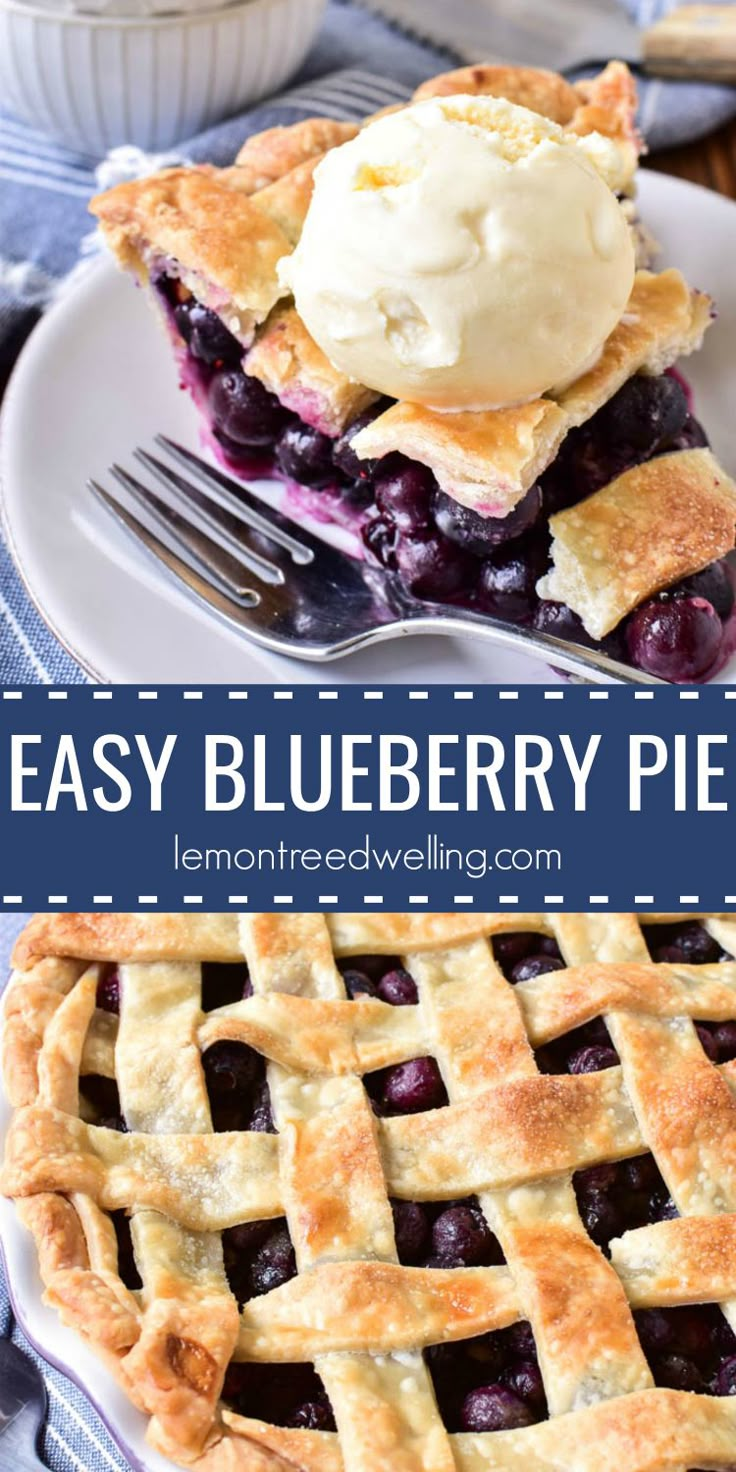
The moment the oven door swings open, releasing the sweet, earthy scent of toasted sugar and wild blueberries, is pure kitchen magic. This blueberry pie recipe is more than just a dessert; it is a celebration of seasonal fruit encased in a buttery, flaky crust. Mastering the balance between a tender crumb and a jewel-like filling is achievable with the right technique and a few insider tips.
The Anatomy of a Perfect Blueberry Pie
Before diving into the steps, it is essential to understand the components that make up this classic dessert. Success hinges on three primary elements: the crust, the filling, and the glaze. The crust provides the structural integrity and buttery flavor, the filling delivers the vibrant fruit character, and the glaze adds a glossy finish that seals in the juices and elevates the visual appeal.
Selecting the Ideal Blueberries
The quality of the fruit is the single most significant factor in the final taste. Fresh, ripe blueberries offer the best flavor, but frozen berries are an excellent, reliable alternative year-round. When using frozen berries, avoid thawing them completely beforehand; tossing them directly with the thickener prevents the filling from becoming watery and helps the fruit maintain its structure during baking.


Crafting the Flaky Double Crust
A great crust is the foundation of a memorable pie. This recipe uses a combination of all-purpose flour and a touch of cornstarch for tenderness, along with high-quality unsalted butter for flavor. The key to achieving a flaky texture is to keep the butter cold and to handle the dough as little as possible to prevent gluten development, which leads to toughness.
Step-by-Step Mixing and Rolling
- Cut the cold butter into the dry ingredients until the mixture resembles coarse crumbs.
- Gradually add ice water, mixing until the dough begins to clump together.
- Divide the dough in half, shape into disks, wrap in plastic, and chill for at least one hour.
- On a floured surface, roll out one disk to fit your pie pan, ensuring the dough is thin but strong.
- Repeat with the second disk, rolling it out to place over the filling.
The Art of the Filling and Assembly
The filling is where science meets simplicity. A combination of granulated sugar for sweetness, cornstarch or tapioca starch for thickening, and a hint of lemon juice for acidity creates a syrup that is neither too runny nor too gelatinous. Proper assembly prevents the dreaded "soggy bottom" by ensuring the fruit is piled high and the top crust is properly vented.


Building the Pie
- Preheat the oven to 425°F (220°C) to ensure a quick rise.
- Place the bottom crust in the pan and pour the prepared blueberry mixture inside.
- Dot the filling with small pieces of butter to enhance flavor.
- Lay the top crust over the filling, trim excess dough, and crimp the edges to seal.
- Cut several slits in the top crust to allow steam to escape during baking.
Baking for Optimal Flavor and Texture
Temperature control is critical. Starting the bake at a high temperature sets the crust and creates steam to cook the fruit, while finishing at a slightly lower temperature ensures the center cooks through without burning the edges. For a truly professional result, brush the top crust with an egg wash before baking to achieve a deep, golden-brown sheen that is irresistible.
Allowing the Pie to Set
One of the most common mistakes is digging into the pie too soon after it comes out of the oven. The filling is essentially a hot liquid suspended in a gel; cutting in immediately results in a soupy mess. Patience is rewarded with clean, sliceable wedges. Allow the pie to rest for a minimum of two hours, or ideally overnight, to let the thickener firm up and the flavors to meld into a perfect, cohesive texture.




Related Articles

Sweet Tomato Sauce Recipe: The Ultimate Guide to Irresistible Flavor
Sweet tomato sauce is the soul of countless culinary traditions, transforming simple weeknight dinners into memorable meals. Mastering the craft of a rich...

Ultimate Key Lime Rum Cake Recipe | Sweet & Tangy Dessert
Key lime rum cake captures the bright, zesty essence of the Florida Keys in every single, moist bite. This dessert masterfully blends the sharp, citrusy punch...

Stubbs Barbecue Sauce: The Ultimate Tangy & Sweet Flavor Explosion
Few condiments carry the cultural weight and culinary mystique of Stubbs barbecue sauce. Originating from the hallowed smokehouses of Lockhart, Texas, this...

Cherry Supreme Recipe: The Ultimate Guide to a Perfectly Sweet & Tangy Dessert
The cherry supreme recipe transforms the peak of summer’s harvest into a velvety, show-stopping dessert. Stone fruits at their ripest, fragrant with sunshine...

Bayberry Fruit Taste: A Burst of Sweet & Tangy Flavor Explosion
To the uninitiated, the bayberry fruit might evoke images of a bland, waxy berry destined for the compost pile. In the world of wild edibles and gourmet...

Ultimate Best Pineapple Casserole Recipe – Sweet & Tangy Delight
The best pineapple casserole is a dessert that masterfully balances sweetness and texture, creating a dish that is both comforting and sophisticated. This...