Get Rid of Black Marks on Wall: Easy Solutions & Prevention Tips
Finding black marks on wall surfaces is one of the most common yet frustrating issues homeowners face. These spots can appear suddenly or develop over time, transforming a clean aesthetic into an eyesore. Often, the underlying cause is not immediately obvious, leading to confusion about how to address it effectively.
To tackle this problem, it is essential to move beyond quick fixes and understand the specific source of the discoloration. The appearance of black marks rarely occurs without a specific trigger, ranging from environmental moisture to structural failures. Identifying the root cause is the critical first step in ensuring the issue is resolved permanently and does not return to plague your space.
Common Culprits Behind Wall Staining
The origin of black marks usually falls into one of several categories, each requiring a distinct solution. Moisture is the most frequent offender, often manifesting as mold, mildew, or condensation stains. These types of stains typically feel damp to the touch and are commonly found in bathrooms, kitchens, basements, or areas near leaking pipes.


Assessing Moisture and Mold
When moisture is the culprit, the black marks are actually colonies of mold spores feeding on the organic material in the paint or drywall. This is more than just a cosmetic issue; it is a potential health hazard that can exacerbate respiratory issues. Look for other signs in the area, such as a musty odor, peeling paint, or warping of the wall surface, which indicate ongoing water intrusion.
Identifying Soot and Carbon Deposits
Another common source of black marks is soot, which results from incomplete combustion. If the marks appear near a fireplace, furnace, or kitchen range, this is likely the cause. Soot particles are sticky and can settle on walls, leaving a greasy film that is difficult to wipe away without the proper cleaning agents.


Effective Removal Strategies
Once the source has been identified, you can proceed with the appropriate cleaning method. For mold and mildew, a solution of bleach and water is often recommended to kill the spores and prevent regrowth. However, it is vital to address the moisture problem first; otherwise, the mold will inevitably return even after cleaning.
| Stain Type | Visual Clue | Recommended Cleaner |
| Mold/Mildew | Fuzzy texture, earthy smell | Bleach solution (1:10 with water) |
| Soot/Smoke | Greasy residue around vents | Degreaser or vinegar solution |
When to Call a Professional
While minor surface stains can be handled with DIY solutions, extensive black marks may indicate a larger structural issue. If the staining covers a significant portion of the wall, or if it is coming from behind the drywall, it is wise to consult an expert. Water damage can hide behind walls, leading to rot and compromised integrity that is not visible to the naked eye.
Professionals have the tools to measure moisture content within the materials and can provide remediation services that go far beyond surface cleaning. They can also offer advice on repainting with mold-resistant primers that help prevent future outbreaks, saving you time and effort in the long run.


Related Articles

Fix Wall Leaking Water: Quick Solutions & Prevention Tips
Water seeping through a wall is often more than just an unsightly stain; it is a clear indicator of a compromised building envelope. Left unaddressed, this...

White Iron Marks on Clothes? Easy Fixes & Prevention Tips
Few things are as frustrating as pulling a freshly washed load of laundry from the machine, only to find stubborn white iron marks on clothes. These blotchy...
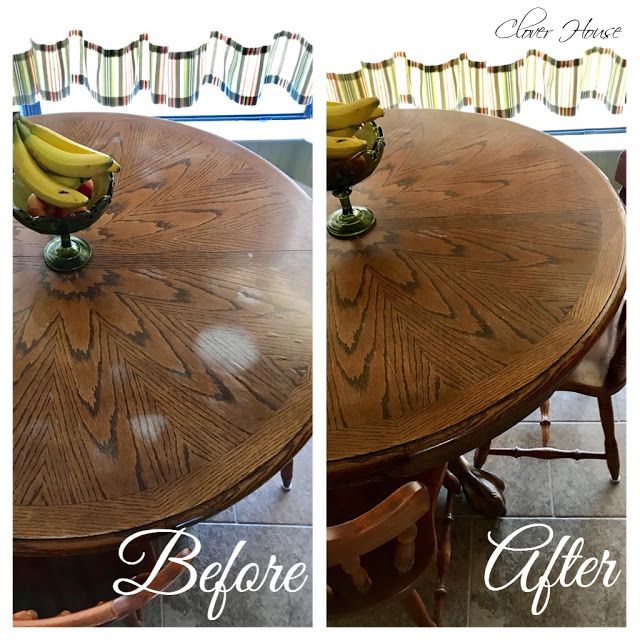
How to Remove Heat Marks from Wood Table: Easy Fixes & Prevention Tips
Few things are as frustrating as discovering a heat mark on table surface, an unsightly blemish that tells a story of a hot coffee cup or a forgotten serving...

Fix Washing Machine Leaves Black Marks on Clothes: Quick Solutions & Prevention
Discovering black streaks or spots on your laundry after a wash cycle can be frustrating and concerning. These marks often feel like a stain that should not be...

How to Remove Water Stains from Wood Table: Easy DIY Solutions
Water marks on a wood table are an inevitable part of daily life, caused by condensation from cold glasses or the heat of a hot coffee mug. While they may seem...

How to Cover Air Vents in the Wall: Easy Solutions for Better Room Aesthetics
Blocking or covering an air vent in the wall is often one of the simplest ways to solve common home comfort issues. Whether you are trying to redirect airflow...