The Best Way to Clean a Cat: Expert Tips for a Sparkling Kitty
Effective cat cleaning is less about scrubbing and more about understanding the feline anatomy. A cat’s meticulous self-grooming habit is a biological necessity, distributing oils and removing dead hair, but it is often insufficient for maintaining true hygiene. Whether you are dealing with a kitten who tracked in litter or an older cat with mobility issues, the best approach to cleaning requires strategy, patience, and the right tools.
The Philosophy of the Feline Bath
Before you turn on the tap, it is vital to accept a fundamental truth: cats are hydrophobic by nature. Their fear of water is not merely a quirk but an evolutionary survival mechanism. Wet fur impedes their ability to regulate body temperature and compromises their agility, which is critical for escape. Therefore, the "best way" to clean a cat is not to force a bath unless absolutely necessary. Instead, focus on incremental acclimation, using touch, sound, and reward to reshape their perception of water from a threat to a routine occurrence.
Brushing: The Foundation of Clean
Surprisingly, the most powerful cleaning tool you own is a brush, not water. Regular brushing is the cornerstone of coat maintenance and significantly reduces the need for full immersion baths. By removing loose undercoat and dead hair, you prevent the formation of mats—clumps of fur that trap dirt and moisture close to the skin. For long-haired breeds, a slicker brush followed by a wide-toothed comb is essential, while short-haired cats benefit from a rubber curry brush to capture excess dander. This daily ritual not only keeps the coat glossy but also distributes natural oils, resulting in a cleaner scent without the stress of water.


When Water is Unavoidable
There are scenarios where dry methods are insufficient, such as when a cat has rolled in something sticky, greasy, or foul-smelling that brushing cannot resolve. In these cases, preparation is everything. You must gather your supplies—cat-specific shampoo, several towels, a non-slip mat for the tub, and a cup or pitcher—before bringing the cat into the room. Never use human shampoo, as the pH balance is too harsh for feline skin, leading to irritation and dryness. The water temperature should be lukewarm, and the depth of the water should be minimal, just enough to wet the legs and belly.
The Technique of Calm
Wetting a cat requires a gentle but decisive approach. Speak to them in a soft, reassuring tone throughout the process. Use a showerhead with a gentle flow or a pitcher to pour water over the back, avoiding the head and face at all costs. Soap should be worked from the neck down to the tail, massaging deeply to lift dirt from the follicles. Rinsing is the most critical step; any residual shampoo will dry on the skin and cause itching. If the cat becomes frantic, stop immediately. The goal is not to achieve a perfect clean in one session, but to ensure the experience is not traumatic for future attempts.


Drying and Aftercare
Once the cat is rinsed, the battle is only half-won. Wet fur clinging to the skin creates a chilling sensation that will heighten their anxiety. You must towel-dry vigorously, absorbing as much moisture as possible before considering a blow dryer. If you use a dryer, keep it on the lowest heat setting and hold it at a distance to avoid burns. Some cats tolerate the sound; others do not. In the latter case, allow the cat to air dry in a warm room, but monitor them closely to prevent them from sleeping on cold tiles. Offering a high-value treat or extra cuddles after the ordeal helps rebuild positive associations.
The Spot-Cleaning Alternative
For most day-to-day messes, a full bath is overkill. The best way to clean a cat often involves targeted spot treatment. If a cat has dirt on their paws or a smudge on their hindquarters, a simple wipe with a damp cloth or unscented baby wipe is sufficient. Specialized dry shampoos, available in foam or powder form, can be applied to greasy areas, worked in, and brushed out after a few minutes. This method respects the cat's natural aversion to water while maintaining hygiene in critical zones, such as the face and paws, which cats cannot clean effectively themselves.
When to Seek Professional Help
There are instances where the best way to clean a cat is to leave it to the experts. If your cat is aggressive, extremely anxious, or has medical conditions that require medicated baths, attempting to handle the task yourself can result in injury or severe stress. Professional groomers have the experience to manage difficult cats safely and the tools to ensure a thorough clean. Furthermore, if you notice persistent odors, flaky skin, or a dull coat despite regular cleaning, it may indicate underlying health issues such as parasites, allergies, or hormonal imbalances, necessitating a visit to the veterinarian rather than the bathtub.


Related Articles

The Best Way to Clean Brick: Expert Tips & Step-by-Step Guide
Cleaning brick requires a thoughtful approach to preserve the integrity of the material while removing dirt, grime, and stains. Unlike smooth surfaces, the...

Sparkling Uggs: Expert Cleaning Tips Without the Kit
Keeping your Uggs looking pristine is a common challenge for owners, especially when you are missing the specialized cleaning kit that often accompanies the...

How Often Should I Clean Earrings? Expert Tips for Sparkling Studs
Understanding how often to clean earrings is fundamental to maintaining both the integrity of the jewelry and the health of your ears. The buildup of natural...
The Ultimate Guide to Clean a Cat: Tips & Tricks for a Purr-fectly Sparkling Kitty
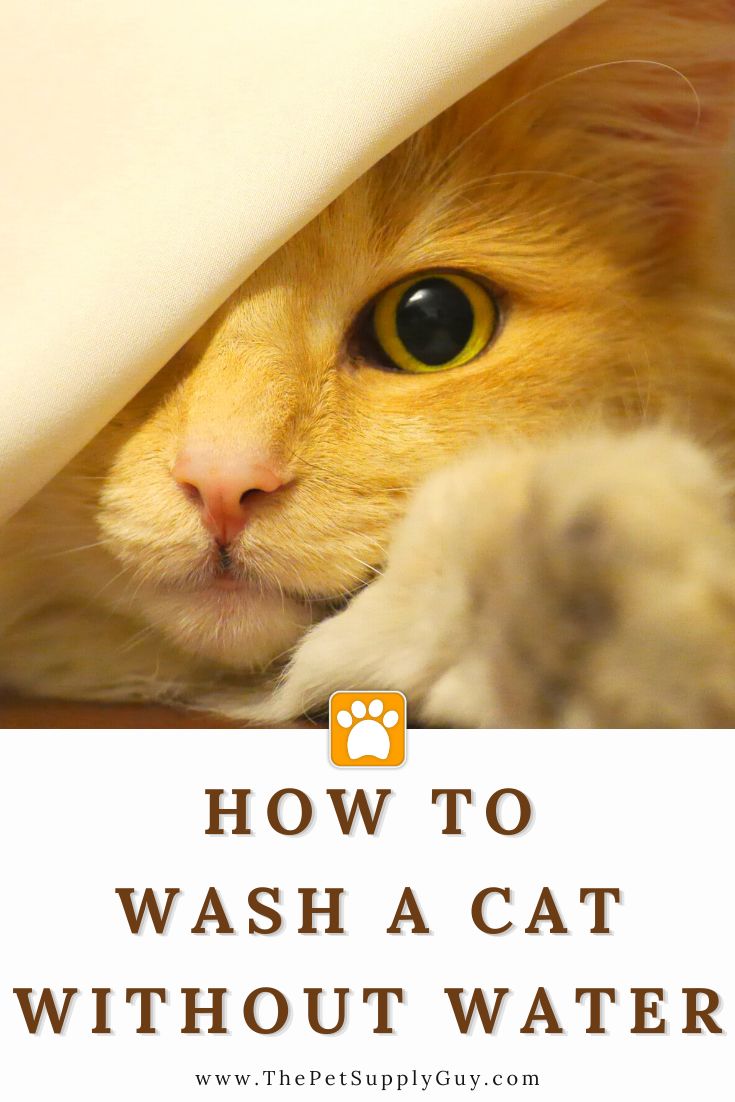
The decision to clean a cat is rarely met with enthusiasm by the feline, yet it is a necessary component of responsible pet ownership. Unlike dogs, cats are...

The Best Potting Soil for Japanese Maples: Expert Tips for Healthy Growth
Selecting the best potting soil for Japanese maples is the single most critical decision you can make for container success. Unlike field-grown specimens that...

The Ultimate Guide to Cleaning Wool Carpet: Expert Tips & Tricks
Wool carpet brings an undeniable sense of luxury and warmth to any room, but its delicate nature requires a specific approach to cleaning. Unlike synthetic...