Top Bathroom Remodeling Trends 2018: Design Ideas
By 2018, the bathroom had firmly shifted from a purely functional space to a personal sanctuary, driving a wave of renovation projects focused on both aesthetic upgrade and wellness. Homeowners moved beyond dated tile and basic fixtures, embracing designs that prioritize spa-like serenity, intelligent technology, and sustainable choices. This year marked a pivotal moment where luxury became accessible and self-care translated directly into home design priorities.
Embracing Spa-Inspired Sanctuaries
The concept of turning the bathroom into a personal retreat gained significant traction in 2018. The goal was to replicate the tranquility of a high-end spa within the home, focusing on elements that promote relaxation and calm. This trend moved beyond simple decor to create an immersive environment designed to wash away daily stress.
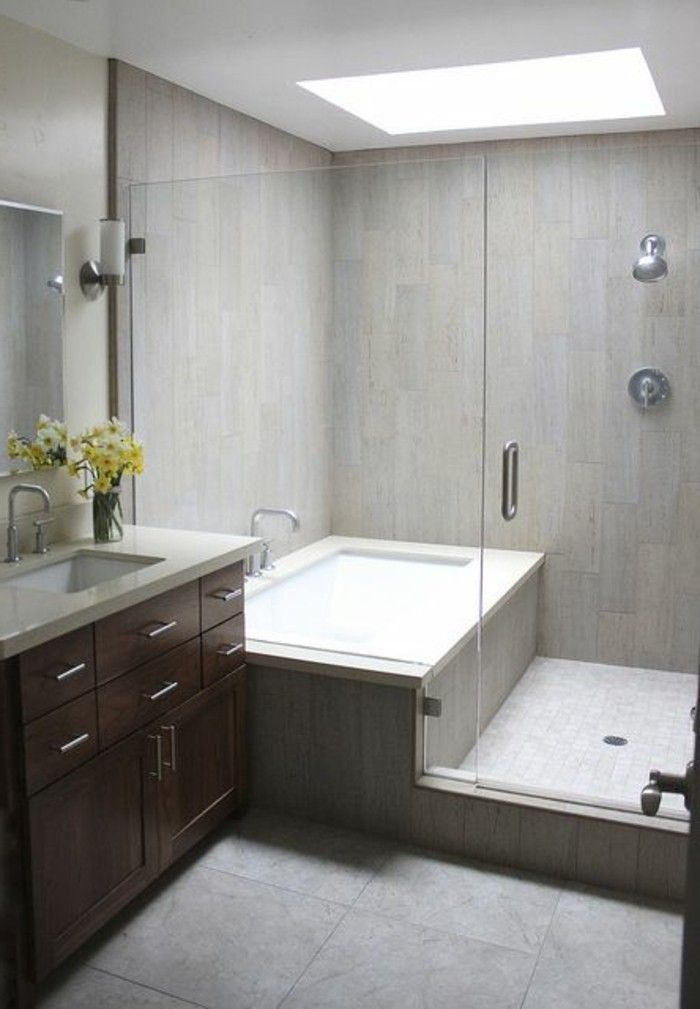
Key features included deeper soaking tubs designed for lingering soaks, large-format mosaic tiles creating seamless wall designs, and rainfall showerheads that mimicked a gentle downpour. Layered lighting, with dimmable options and warm color temperatures, allowed for ambiance control, transforming the space from a bright utility room to a soft, glowing retreat. Natural materials like stone, teak, and woven textiles further enhanced the organic, soothing atmosphere.


Advancements in Smart Technology
The integration of smart technology moved from a novelty to a highly sought-after convenience in 2018, adding a layer of modern luxury and efficiency to bathroom routines. These innovations were less about flashy gadgets and more about enhancing user experience with streamlined functionality.
- Smart toilets with features like heated seats, automatic open/close lids, and integrated bidet functions became more mainstream.
- Programmable LED lighting systems allowed users to change the mood and color temperature with a smartphone app or voice command.
- Digital shower controls enabled users to pre-set water temperature and flow rate, ensuring a perfect shower start every time.
- Bluetooth-enabled speakers designed to withstand humidity provided seamless audio streaming, making morning routines more enjoyable.
Bold Design with Statement Fixtures
While minimalism remained popular, 2018 saw a strong embrace of bold, sculptural fixtures that served as true statement pieces. Designers and homeowners alike were no longer afraid to make a dramatic statement with their choice of sink, tub, or faucet.


Pedestal sinks with unique shapes and textures were favored over traditional vanity cabinets for a lighter, more airy feel. Clawfoot and freestanding tubs made a significant comeback, celebrated for their timeless elegance and ability to become the undeniable focal point of the room. Matte black and oil-rubbed bronze finishes on faucets and shower hardware added a layer of sophisticated contrast against lighter wall and floor tiles.
The Rise of Sustainable and Water-Saving Solutions
Environmental consciousness played a major role in bathroom remodeling trends 2018, with a notable focus on water conservation and sustainable building materials. This shift reflected a growing awareness of resource preservation without compromising on style or performance.
Low-flow toilets and faucets became standard, offering significant water savings without sacrificing pressure or performance. Showerheads with adjustable settings allowed users to customize their water usage. In terms of materials, reclaimed wood for vanities and accents, recycled glass countertops, and natural stone tiles sourced with environmental certifications were increasingly popular choices. These elements added character and a sense of responsibility to the remodel.


Luxury Through Natural Materials and Textures
2018 bathroom design leaned heavily into organic textures and high-end natural materials, moving away from cold, purely synthetic surfaces. The aim was to add warmth, depth, and a tactile quality that elevated the space.
Large-format porcelain tiles that mimic the look of natural marble and wood plank flooring provided a luxurious, cohesive look that was easier to maintain than their natural counterparts. The use of natural materials extended to the vanity, with live-edge wood gaining popularity for its unique, organic character. Matte and soft-touch finishes on fixtures and hardware added another layer of sensory luxury, creating a space that felt as good as it looked.
Optimizing Small Spaces with Smart Design
For homeowners with powder rooms or compact ensuite bathrooms, 2018 was the year of intelligent design solutions that maximized every inch of space. The focus was on creating a feeling of openness and functionality without a square foot to spare.


Glass shower enclosures were preferred over traditional framed options to create a seamless, airy appearance. Wall-mounted vanities and shelves eliminated visual clutter and made cleaning underneath effortless. Mirrors were often extended over the vanity to amplify light and create the illusion of a larger space. Strategic lighting, including vertically placed fixtures, helped to draw the eye upward and emphasize the room's height, making tiny bathrooms feel surprisingly expansive.
Related Articles

Tiny Bathroom Remodeling Ideas: Maximize Space with Smart Design
When it comes to home renovation, the smallest spaces often present the biggest opportunities for impact. A tiny bathroom remodel offers a high return on...

Top Kitchen Design Trends for 2018 - Modern & Stylish Ideas
2018 marked a pivotal shift in kitchen design, moving away from the overly sleek and minimalist trends of the previous decade. Homeowners and designers alike...

Roman Bathroom Ideas: Elegant Design & Luxury Look
Transforming a bathroom into a personal sanctuary is more than a design trend; it is an investment in daily well-being. Roman bathroom ideas offer a timeless...

1950s Bathroom Style: Retro Charm & Design Ideas
Step into a 1950s bathroom and you are immediately transported to an era of optimistic glamour and meticulous order. This was a time when post-war prosperity...

Charming Modern Cottage Style Homes: Design Ideas & Trends
Modern cottage style homes represent a thoughtful evolution of classic rural architecture, blending the cozy charm of a bygone era with the clean lines and...

Texas Remodel Blog: Expert Home Renovation Ideas & Trends
When it comes to transforming houses into dream homes, the conversation often centers on design choices and material selection. For homeowners across the Lone...