Juicy Basted Grilled Chicken: The Ultimate Recipe for Perfect Flavor
Basting grilled chicken is the culinary equivalent of giving your steak a spa day. While the sizzle of the grill creates the initial flavor, the moist, glossy finish you see on restaurant-quality chicken comes directly from the basting liquid. This process involves spooning or brushing hot fat, stock, or a thin marinade over the meat as it cooks, ensuring the final bite is juicy, flavorful, and visually appealing.
The Science Behind the Sizzle
Understanding why basting works requires a look at thermodynamics. Grilling chicken over direct heat creates a hot environment that rapidly evaporates moisture from the surface of the meat. Without intervention, this leads to dryness as the muscle fibers contract and squeeze out liquid. Basting combats this by temporarily lowering the surface temperature of the chicken and adding moisture directly to the exterior. This not only slows down water loss but also creates a barrier that helps the skin develop a crisp texture without burning.
Fat vs. Marinade
When choosing a basting liquid, the primary decision is between pure fat and an aqueous marinade. Pure fats, such as melted butter, bacon drippings, or chicken fat, are excellent conductors of flavor that add richness and promote browning without diluting the seasoning. Aqueous marinades, which might include stock, wine, or citrus juice, add complex flavor notes but also introduce moisture that must evaporate before the skin can crisp. For the ideal balance, many chefs recommend starting with a fat-based baste and finishing with a light marinade to build depth.


Technique and Timing
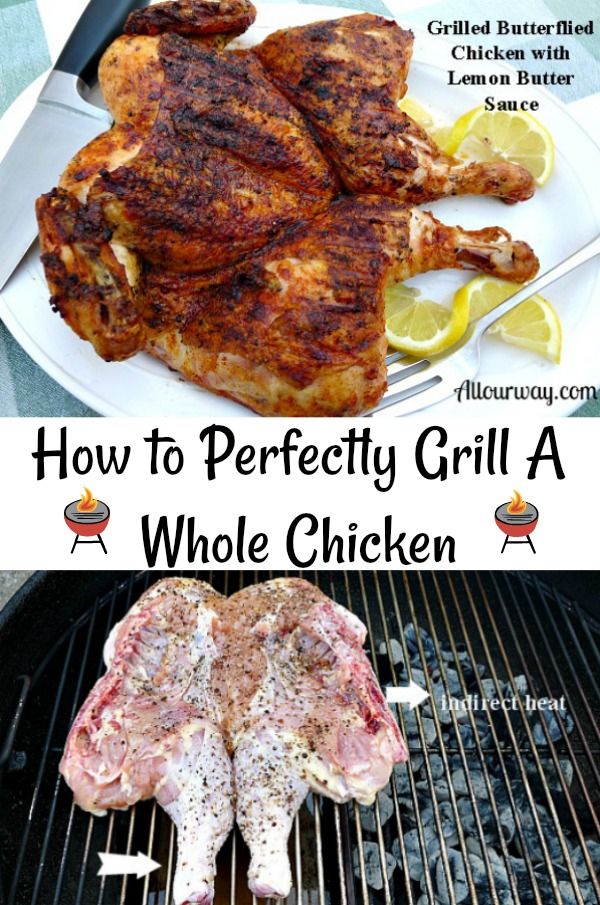
The effectiveness of your basting depends almost entirely on your technique. You must work quickly and safely when lifting the lid to a grill or oven; every second the heat escapes impacts the cooking time. Use a silicone brush or a long-handled spoon to collect the liquid from the bottom of the grill or pan. Apply the liquid gently to the chicken, focusing on the thicker areas like the breast and thighs. Avoid opening the grill lid for more than 15 to 20 seconds at a time to maintain a consistent cooking temperature.
The Visual Cue: Gloss and Color
Professional cooks often judge the success of basting by appearance. The chicken should develop a lacquered sheen, looking almost glazed. This gloss is the fat or marinade caramelizing slightly under the heat, signaling that the surface is retaining its moisture. If the chicken looks dry or pale, it is likely overdue for a baste. If the skin is bubbling or smoking excessively, the heat is too high, and you should move the protein slightly away from the direct flame or reduce your burner intensity.


Building Flavor Layers
Basting is not just about moisture retention; it is a primary vehicle for flavor building. A simple basting mixture of butter and herbs transforms a basic grilled breast into a sophisticated main course. For deeper complexity, consider adding garlic, fresh citrus zest, or a splash of soy sauce to your fat. As this mixture reduces and coats the chicken, it creates a flavorful crust that marries the tastes of the interior seasoning with the exterior sear.
Common Pitfalls to Avoid
Even experienced cooks can stumble when basting. One common error is basting too early. You should allow the chicken to sear and form a crust before introducing liquids; otherwise, you risk washing away the precious Maillard reaction browning. Additionally, using a baste that has been contaminated with raw chicken juices on your hands or utensils can introduce bacteria. Always use a dedicated utensil for basting, or ensure you boil down the used liquid before reusing it.
The Final Result
When executed correctly, basting grilled chicken yields a dish where the crisp skin gives way to tender, succulent meat. The juices remain locked inside, and the flavor profile is deep and cohesive. This technique separates the home cook from the backyard barbecue enthusiast, turning a simple weeknight dinner into a demonstration of control and culinary finesse. Master this skill, and you will never again serve dry chicken.


Related Articles

Perfect Grilled Chicken Legs: The Ultimate Temperature Guide for Juicy BBQ
Getting the temperature for chicken legs on grill right is the difference between dry, forgettable bites and succulent, restaurant-quality barbecue. While the...

The Ultimate Vinegar Mashed Potatoes Recipe for Perfect Flavor
For many home cooks, the humble mashed potato represents the pinnacle of comfort food. Achieving that perfect, velvety texture often feels like a culinary...

Perfect Chicken Cooking Time Per Pound: Ultimate Guide To Juicy Results
Mastering the art of roasting a whole chicken starts with understanding the foundational principle of cook time: weight. Whether you are preparing a weeknight...

Perfect Grilled Chicken Breast Temperature: The Ultimate Guide
Grilling chicken breast successfully hinges on one critical factor: temperature. While the instinct might be to crank the heat and hope for the best...

The Ultimate Chiavetta Chicken Marinate Time: Perfect Juicy Results
Mastering the art of the perfect Chiavetta chicken begins long before it hits the grill or oven. The journey to juicy, flavorful meat with a deeply seasoned...

The Ultimate Roasted Chicken Best Recipe – Crispy & Juicy
Few things in the culinary world are as satisfying as a perfectly executed roasted chicken best. The transformation of a simple bird into a dish with deeply...