Baking Soda Vinegar Dawn Oven Cleaner: The UltimateDIY Recipe
For anyone who has ever faced the grimy reality of a baked-on casserole dish or a greasy stovetop spill, the search for an effective yet non-toxic cleaner is real. The combination of baking soda, vinegar, and Dawn dish soap has emerged as a celebrated DIY solution, particularly for tackling the formidable oven. This powerful trio leverages a chemical reaction, the cutting power of grease, and the gentle abrasion of common household items to transform a dreaded cleaning chore into a manageable task.
Before diving into the cleaning process itself, it is essential to understand the science behind why this specific trio works so well. The interaction between baking soda and vinegar creates a fizzing action that helps to loosen and lift stubborn grime, while the Dawn dish soap acts as a powerful degreaser. This unique synergy allows the mixture to break down baked-on food residue without the need for harsh, toxic chemicals that can leave harmful fumes in your kitchen.
The Science Behind the Cleaning Power
To effectively use this method, it helps to know a little about the chemistry involved. When baking soda (a base) and vinegar (an acid) are combined, they undergo a neutralization reaction that releases carbon dioxide gas. This reaction creates a bubbling effect that helps to dislodge and break up tough, stuck-on messes, making them easier to wipe away. The Dawn dish soap plays a crucial supporting role by emulsifying grease and oil, which are often the primary culprits in oven grime.


Breaking Down Grease and Grime
Oven grime is typically a complex mixture of burnt food particles, grease, and carbonized oils. Standard cleaners often struggle to penetrate and break down this stubborn layer. However, the Dawn dish soap in this cleaning solution is specifically formulated to cut through grease. It lowers the surface tension of the mixture, allowing it to penetrate deeper into the grime, while the mild abrasive quality of the baking soda helps to scrub away the adhered residue without scratching most oven surfaces.
Step-by-Step Cleaning Guide
Ready to put this cleaning powerhouse to work? Follow these steps for a sparkling clean oven with minimal effort. The key is to allow the mixture sufficient time to work its magic, breaking down the grime before any physical scrubbing begins.
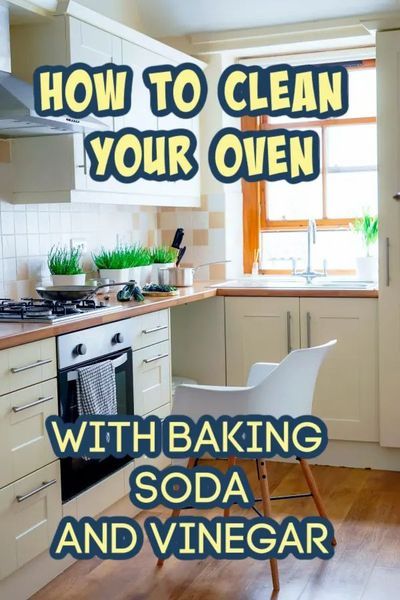


- Begin by removing the oven racks and soaking them in a sink or bathtub filled with hot water and a few spoonfuls of baking soda.
- In a small bowl, create a paste by mixing equal parts baking soda and water, then add a few generous squirts of Dawn dish soap.
- Carefully apply the thick paste to the interior surfaces of the oven, avoiding the heating elements.
- Spritz a solution of equal parts white vinegar and water over the baking soda paste. You will immediately see a vigorous fizzing reaction.
- Cover the oven door with a towel or plastic wrap and let the mixture sit for at least 15-30 minutes, or overnight for heavily soiled ovens.
- Use a damp sponge or scrubbing brush to wipe away the softened grime, then thoroughly rinse the interior with clean water.
- Dry the oven completely and replace the clean racks.
Safety and Surface Considerations
While this DIY cleaner is lauded for being non-toxic, it is not without its limitations. The acidic nature of vinegar means it can potentially damage certain surfaces over time. It is generally safe for stainless steel, glass, and porcelain enamel, but it is always wise to test the solution on a small, inconspicuous area first. Avoid using this specific mixture on aluminum surfaces, as the chemical reaction can cause discoloration or pitting.
Environmental and Economic Benefits
Beyond its impressive cleaning capabilities, this baking soda, vinegar, and Dawn oven cleaner offers significant environmental and economic advantages. Commercial oven cleaners often contain harsh abrasives and volatile organic compounds (VOCs) that can be harmful to both human health and the planet. By creating your own solution, you are reducing plastic waste from store-bought bottles and utilizing ingredients that are biodegradable and safe for septic systems, making it a smarter choice for your home and the environment.


Related Articles

Baking Soda Vinegar Recipe: 101 Uses for a Sparkling Clean Home
Combining baking soda and vinegar creates one of the most effective and versatile cleaning reactions known to household chemistry. This simple interaction...

Sparkling Clean with Dawn and Vinegar: The Ultimate Natural Cleaning Recipe
The combination of Dawn dish soap and white vinegar creates a remarkably effective cleaning solution that tackles grime without harsh chemicals. This dynamic...

Oven Baked Chicken Thighs: Crispy Juicy Recipe
Few kitchen preparations deliver the same level of satisfaction as perfectly baked chicken thighs. This cut strikes an ideal balance between rich flavor and...

Sparkling Clean: Dawn & Baking Soda Magic
The combination of Dawn dish soap and baking soda creates a remarkably effective and versatile cleaning solution for your home. This dynamic duo tackles...

Sparkling Clean Glass with Vinegar and Dawn: The Ultimate DIY Streak-Free Shine
For those who prioritize a non-toxic, high-performance clean, a glass cleaner with vinegar and Dawn represents the gold standard in DIY solutions. This simple...

Baking Soda vs Vinegar for Laundry: Which Wins the Ultimate Showdown?
When tackling tough laundry stains or odors, homeowners often reach for common household staples like baking soda and vinegar. While both can be effective...