Perfectly Baked Chicken Breast 400°F: Ultimate Time Guide
Perfecting the art of baking chicken breast at 400°F is a cornerstone skill for any home cook seeking a healthy, efficient, and delicious meal. When you set your oven to this specific temperature, you are aiming for a balance between speed and texture, ensuring the meat cooks through without drying out. Getting the timing right is the critical link between a moist, juicy chicken breast and one that resembles a piece of erather than a main course.
The Science Behind Baking at 400°F
Understanding why 400°F is a popular temperature begins with the Maillard reaction, the chemical process responsible for the savory browning and complex flavors on the surface of the meat. This high heat provides the necessary energy to trigger this reaction quickly, sealing in juices more effectively than lower temperatures. At the same time, the intense heat helps render excess fat and crisp up any coating or seasoning, creating a desirable contrast between the crispy exterior and the tender interior.
Standard Timing Guidelines for Different Weights
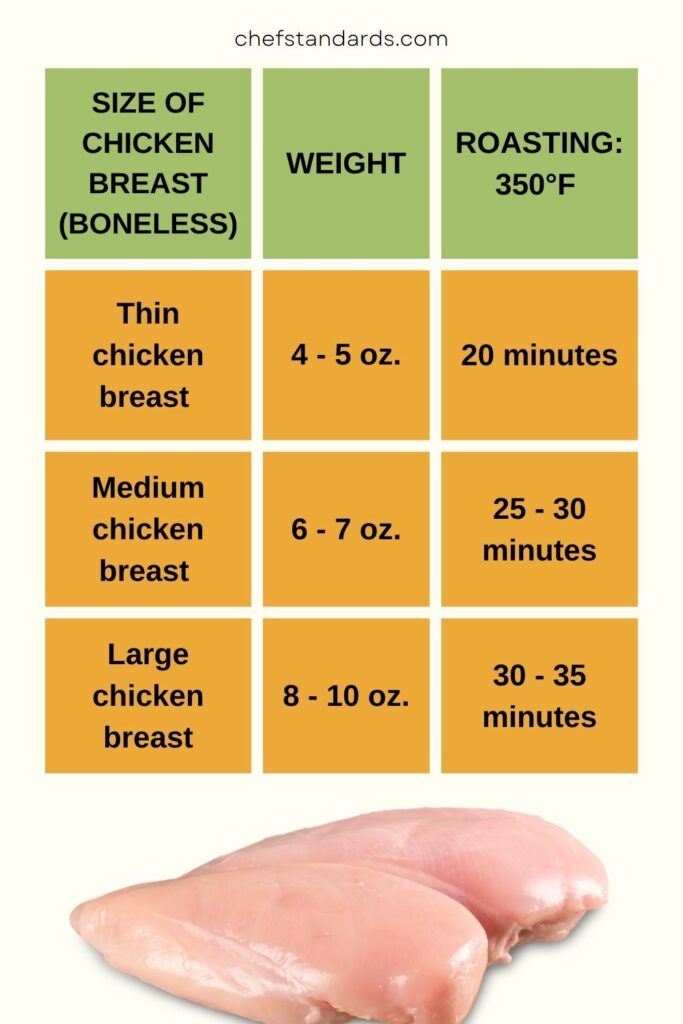
The most common question following the temperature is how long to bake the chicken. The answer hinges almost entirely on the weight and thickness of the breast. A general rule of thumb is that a standard 5-6 ounce breast will require roughly 22 to 26 minutes to reach a safe internal temperature. However, this is merely a guideline; the only true measure of doneness is the internal temperature reading, not the clock.


| Chicken Breast Weight | Approximate Bake Time | Target Internal Temperature |
|---|---|---|
| 4 oz (115g) | 18-22 minutes | 165°F (74°C) |
| 6 oz (170g) | 22-26 minutes | 165°F (74°C) |
| 8 oz (225g) | 26-32 minutes | 165°F (74°C) |
| 10-12 oz (285-340g) | 30-38 minutes | 165°F (74°C) |
The Non-Negotiable Step: Temperature Checking
While the timing chart is a helpful starting point, relying solely on minutes is a gamble that often leads to dry meat or, worse, undercooked poultry. The only foolproof method to determine if your baked chicken breast 400°F is ready is with an instant-read meat thermometer. You must insert the probe into the thickest part of the breast, avoiding the bone if present, and verify that the internal temperature has reached 165°F (74°C). This temperature ensures that any potentially harmful bacteria are destroyed, providing both safety and peace of mind.
Carryover Cooking: The Hidden Factor
Timing becomes even more nuanced when you factor in carryover cooking, a phenomenon that occurs the moment the chicken leaves the oven. The residual heat inside the thick muscle continues to cook the meat for an additional 5 to 10 minutes as it rests. Because of this, it is a professional technique to remove the chicken breast from the oven when the thermometer reads 155°F to 160°F. The temperature will then safely rise to the ideal 165°F during the resting period, resulting in a perfectly cooked final product.


Maximizing Flavor and Moisture
Baking at 400°F offers the advantage of locking in moisture, but you can further enhance the juiciness with a few simple techniques. Brining the chicken breast for 20-30 minutes in a saltwater solution before baking is a game-changer, as it helps the muscle fibers retain water. Additionally, coating the breasts in a thin layer of olive oil or marinade not only adds flavor but also protects the meat from the direct, drying heat of the oven, preventing it from becoming tough.
Troubleshooting Common Issues
Even with the best intentions, bakers encounter hurdles. If your chicken breast is drying out, the likely culprits are overcooking or insufficient fat. Next time, monitor the internal temperature closely and consider brining or adding a splash of broth to the bottom of the baking dish to create a humid environment. Conversely, if the chicken is not cooked through, ensure your oven is properly preheated to 400°F and consider slightly increasing the bake time, always checking the temperature with a thermometer to confirm doneness without guesswork.




Related Articles
Perfectly Baked Chicken at 400°F: Ultimate Time Guide & Temperature Tips
Getting the exact bake time for chicken at 400°F is the difference between a juicy, restaurant-quality meal and a dry, disappointing dinner. At this...

Perfect How Long to Bake Chicken Breast at 400°F: Ultimate Time Guide
Calculating the exact time to bake chicken breast at 400°F is the most common question home cooks ask, and for good reason. This popular cut of meat is lean...

The Ultimate Time to Bake Chicken Breast Guide: Perfectly Juicy Every Time
Perfectly cooked chicken breast is the cornerstone of countless healthy meals, yet it remains one of the most challenging proteins for home cooks to master...

Perfectly Crispy Oven Baked Chicken Wings at 400°F – Ultimate Guide
Mastering the art of cooking chicken wings in an oven at 400°F is the gateway to achieving restaurant-quality crispiness without the mess of deep-frying. This...
Perfectly Cooked Chicken Breast: Ultimate Guide to Baking in a Convection Oven
Mastering how to bake chicken breast in convection oven is the single most effective kitchen upgrade for anyone seeking consistently juicy, flavorful, and...

Perfect Hash Brown Casserole at 400°F: Ultimate Baking Time Guide
When you set your oven to 400°F, you are aiming for the high heat necessary to create a crispy, golden exterior on your hash brown casserole while ensuring the...