Aloe Pups Without Roots: Care & Propagation Guide
Discovering a cluster of aloe pups without roots is a common scenario for both novice and experienced plant parents. While it can initially trigger concern, this specific condition presents a unique opportunity for propagation. An aloe pup, or offset, is essentially a genetically identical clone of the mother plant, and roots are not always immediately visible when you separate it from the main cluster. Understanding the physiology behind this and learning the correct handling procedure is vital for successfully integrating the new plant into your collection.
The Biology of Aloe Pups
Aloe vera, like many succulents, naturally reproduces by sending out offshoots from the base of the mother plant. These aloe pups develop their own vascular system but often remain attached to the mother root system for an extended period. This dependency allows the pup to draw moisture and nutrients until it is mature enough to survive independently. Consequently, it is entirely normal to find a healthy, plump pup that lacks its own root system; it is simply in a transitional phase of its life cycle.
Identifying Healthy vs. Unhealthy Offsets
Not all aloe pups are created equal, and assessing their health without roots requires a keen eye. A healthy offset should be firm to the touch, displaying vibrant green coloration appropriate to the species. You should look for a compact rosette shape and sturdy leaves. In contrast, an unhealthy pup will appear shriveled, soft, or exhibit yellowing or browning leaves, which often indicates rot or disease even before considering the root system.


The Propagation Process
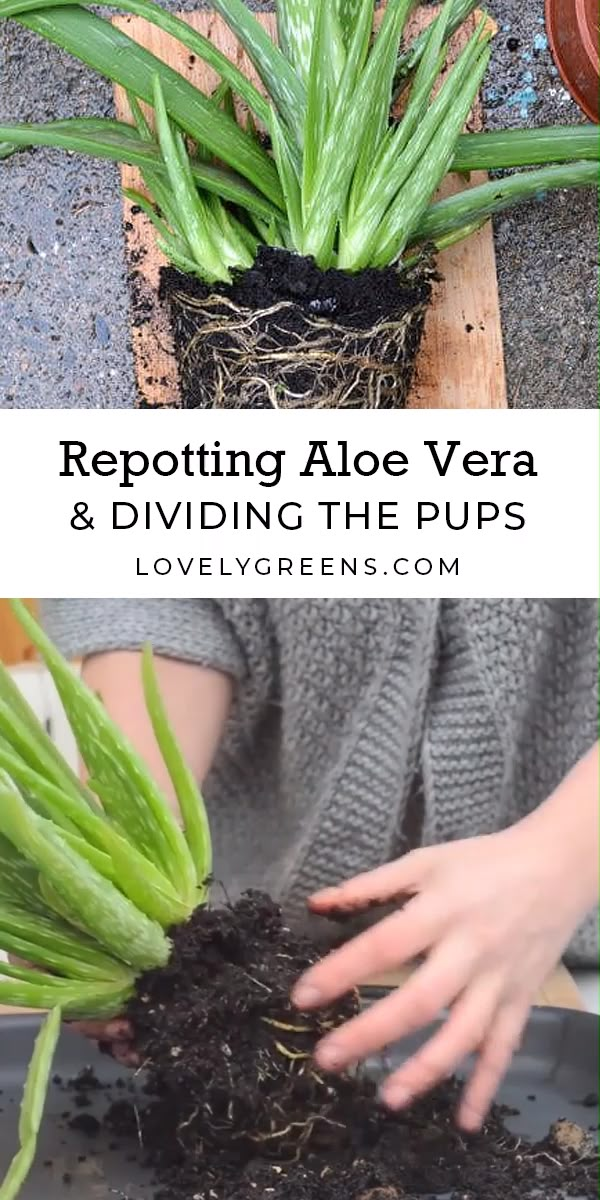
When you decide to separate an aloe pup without roots, the primary goal is to create an environment conducive to root initiation. The process begins with sterilizing a sharp knife or pair of scissors to prevent introducing pathogens. Carefully wiggle the pup away from the mother plant, ensuring you keep as much of the base intact as possible. If the pup is stubborn, gently twisting it rather than cutting can preserve the critical vascular connection needed for future growth.
Callousing and Planting
After separation, the most critical step is allowing the cut end to dry. Exposing the pup to air for approximately 24 to 48 hours allows the wound to form a protective callus. This callus prevents the stem from absorbing excess moisture too quickly, which would cause it to rot. Once calloused, the pup should be planted in a well-draining medium, such as a cactus mix or a blend of potting soil and perlite. Bury the base of the leaves firmly into the soil, providing stability without burying the central rosette.


Post-Propagation Care
Following planting, restraint is key to success. Watering should be withheld for about a week to allow roots to initiate. Then, adopt a sparse watering schedule, ensuring the soil dries out completely between sessions. Place the new division in a location with bright, indirect light rather than harsh, direct sun. Gradually increasing light exposure over a few weeks will encourage the aloe pups without roots to develop a robust root system and acclimate to its independence.
Troubleshooting Common Issues
Even with careful preparation, challenges can arise. If the pup feels soft or mushy a few weeks after planting, it is likely rotting due to overwatering. In this case, removing the pup, allowing it to dry again, and repotting in fresher, drier soil is the only recourse. Conversely, if the leaves are merely dry or curling, the pup is likely thirsty and requires a light watering. Patience is the most valuable tool, as root development can take anywhere from a few weeks to a couple of months.




Related Articles

String of Bananas Roots: Complete Care & Propagation Guide
Understanding the string of bananas roots is fundamental to unlocking the secret to cultivating this striking succulent successfully. Unlike many common...

Banana Tree Pups: Your Ultimate Guide to Care & Propagation
The journey of a banana plant begins long before the first fruit appears above ground. While the parent plant commands attention with its massive fronds and...

Can You Replant Aloe: Complete Guide to Propagation and Care
You notice your aloe vera plant has outgrown its pot, or perhaps the soil has become compacted and unhealthy. The immediate thought is often about propagation...

Staghorn Fern Roots: The Ultimate Guide to Care and Propagation
When you first glimpse a staghorn fern, the attention is almost always on the dramatic, antler-like fronds cascading from the board or tree. These...

Flaming Sword Bromeliad Pups: Care & Propagation Guide
The journey of a flaming sword bromeliad begins long before the dramatic floral display that gives the species its memorable name. What captures the observer's...

Sago Palm with Pups: Propagation and Care Guide
Sago palms are among the most ancient and visually striking plants available to the modern gardener, bringing a touch of prehistoric drama to both indoor and...