Active Yeast vs Instant Yeast: The Ultimate Baking Battle
When you pull a recipe from a cookbook or scroll through a baking blog, the ingredient list almost always calls for yeast. Yet, the small packet in the grocery store aisle offers a choice that can confound even experienced bakers: active dry yeast and instant dry yeast. While both are living organisms that create carbon dioxide to make dough rise, their physical structure and behavior are distinct. Understanding the active yeast versus instant yeast debate is the difference between following a recipe by the letter and truly mastering the art of fermentation.
The Biology Behind the Bubbles
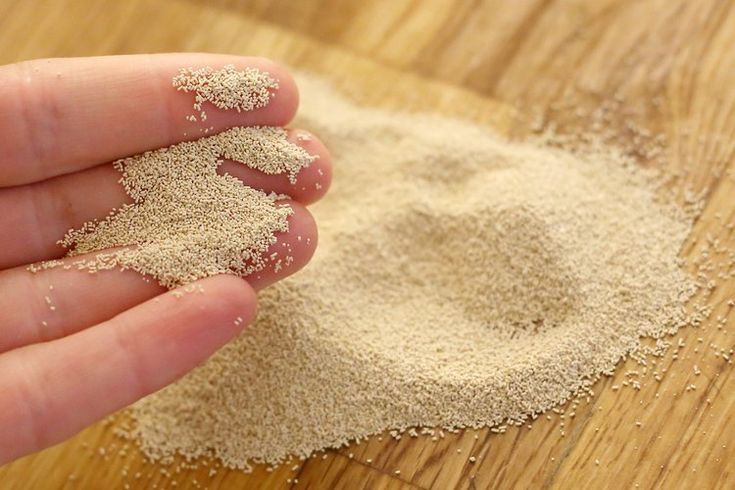
At the heart of both types of yeast is the same microorganism, Saccharomyces cerevisiae. The crucial difference lies in the manufacturing process. Active dry yeast is produced in larger granules and has a significant percentage of dead cells removed. More importantly, it is dried using a warm-air process that creates a protective outer shell. This dormancy is by design; it allows the yeast to survive room-temperature storage for years without activating. Instant yeast, conversely, is dried using a gentler freeze-drying method. This results in smaller granules with higher numbers of dormant but live cells, eliminating the need for a protective shell.
Activation: The First Step
The most hands-on distinction between the two is the activation process. With active dry yeast, you cannot simply mix it directly into flour and expect reliable results. The dormant outer shell must be dissolved to "wake up" the living cells. This requires warm water (usually between 105°F and 115°F) and a pinch of sugar to provide food for the yeast. You must wait five to ten minutes for the mixture to become frothy and creamy. If it fails to bubble, the yeast is dead, and the batch is compromised. Instant yeast bypasses this entirely; it is formulated to hydrate quickly and activate within the dough itself, saving you a step and eliminating the risk of wasting yeast that was improperly stored.


Proofing Times and Temperature Sensitivity
Because active dry yeast requires activation, it often implies a longer, slower approach to baking. The traditional method involves letting the yeast proof in water before combining it with flour, which offers a visual confirmation that the culture is alive and active. This slow start contributes to the development of complex flavors over a longer bulk fermentation. Instant yeast, due to its finer grind and higher cell count, works much faster. When mixed directly with dry ingredients, it penetrates the dough more quickly. Consequently, recipes using instant yeast often have shorter rise times, which is ideal for weeknight dinner rolls but may sacrifice some of the nuanced flavor development that slow fermentation provides.
The Ratio Adjustment
You cannot treat these two ingredients as one-to-one swaps in every scenario. Because instant yeast is more concentrated and lacks the dead cells found in active dry yeast, it is generally more potent. The standard rule of thumb is to use 25% less instant yeast when substituting for active dry yeast. For example, if a recipe calls for 1 teaspoon of active dry yeast, you would use approximately ¾ teaspoon of instant yeast. When converting the reverse—using active dry yeast for instant yeast—you would increase the quantity by about 25% and ensure the longer activation time is accounted for in your schedule.


Performance in the Kitchen
In a controlled test, such as baking two identical loaves of bread, the differences become clear. The loaf started with active dry yeast will likely have a more open crumb and a deeper wheaty flavor, assuming the longer fermentation was allowed. The texture might be slightly more rustic. The loaf made with instant yeast will rise predictably and quickly, resulting in a tender and consistent crumb. It is highly reliable for producing light sandwich bread or pizza dough on a tight schedule. The choice ultimately depends on whether you prioritize flavor complexity (active dry) or speed and convenience (instant).
Which Should You Choose?
For the home baker, having both types of yeast in your pantry is ideal, as they serve different purposes. Keep active dry yeast on hand for traditional, hands-off bread baking where you want to monitor the fermentation and develop flavor. It is the classic choice for sourdough starters, baguettes, and challah. Instant yeast is the workhorse for modern, fast-paced cooking. It is perfect for homemade pizza dough, dinner rolls, and cinnamon buns where you want minimal wait time. Neither is inherently better; they are simply tools designed for different temporal and textural outcomes in your baking journey.




Related Articles
Fast Action Yeast vs Active Dry Yeast: The Ultimate Baking Battle
Choosing the right leavening agent can transform a dense loaf into a bakery-quality bread or, conversely, lead to frustration in the kitchen. While the science...

Regular Yeast vs Instant Yeast: The Ultimate Baking Battle
Choosing the right leavening agent can transform a good loaf of bread into a great one, while the wrong choice can lead to frustration in the kitchen. For most...
Instant Yeast vs Dry Yeast: The Ultimate Baking Battle
Choosing the right leavening agent is often the invisible key to unlocking perfect bread, and the decision between instant yeast vs dry yeast is the most...
Quick Rise vs Active Dry Yeast: The Ultimate Baking Battle
When you reach for the yeast tin mid-recipe, the decision between quick rise vs active dry yeast can feel significant. Understanding the distinct identities of...

Inactive Yeast vs Active Yeast: The Ultimate Baking Showdown
Understanding the difference between inactive yeast and active yeast is essential for anyone passionate about baking or brewing. The choice between these two...

Wax vs Parchment Paper: The Ultimate Baking Battle Shown Clearly
Choosing between wax paper and parchment paper can feel like navigating a minor kitchen labyrinth. Both look similar, roll off the same cardboard spool, and...