80s Permed Hair: The Ultimate Retro Hair Trend Guide
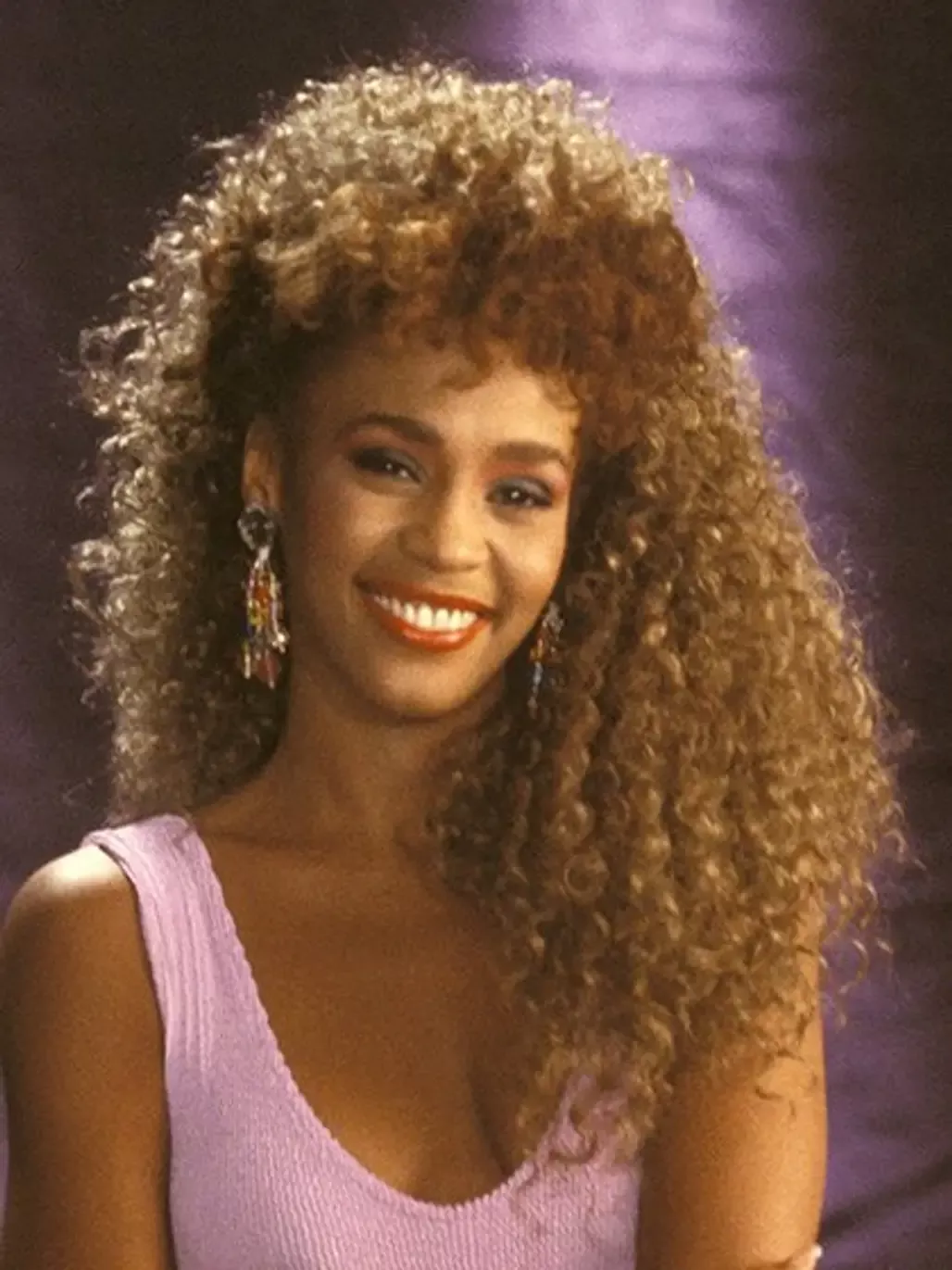
The 1980s permed hair phenomenon represents one of the most distinct and influential styling trends of the modern era. Far more than a simple curl, the perm of the decade was a bold architectural statement, altering the very structure of hair to achieve volume and drama. Technological advancements in the era made the chemical perm more accessible, leading to its adoption across different demographics, from high-fashion runways to neighborhood barbershops. Understanding this iconic look requires examining the chemistry, cultural context, and enduring legacy that cemented the perm as a symbol of 80s excess and expression.
The Science and Process of the Perm
At its core, a perm is a chemical process that breaks and reforms the bonds within the hair to create a permanent wave. Unlike temporary curling methods, a perm restructures the hair's disulfide bonds, allowing the style to last for months. The procedure typically involves washing the hair, applying a reducing agent like ammonium thioglycolate to soften the structure, wrapping the hair around rods, and then neutralizing the bonds with a solution of hydrogen peroxide. The choice of rod size directly dictated the final outcome, with smaller rods producing tight ringlets and larger rods creating the voluminous, loose curls synonymous with the era.
Rod Size and Result Variations
The diameter of the perm rod was a critical factor in achieving the desired 80s aesthetic. Large rods resulted in a voluminous, cascading wave that added height to the crown and movement to the length. Medium rods offered a balanced curl that framed the face without looking overly tight. Small rods, often referred to as "crinkly" perms, produced a dense, frizzy texture that was popular for shorter cuts and layered styles. The goal was rarely natural-looking curls; instead, the preference was for exaggerated, sculpted waves that held their shape throughout the day.


The Cultural Context and Iconic Styles
The popularity of the perm in the 1980s was inextricably linked to the decade's broader cultural trends, which valued excess, luxury, and high-maintenance grooming. The "power perm" became a staple for professionals seeking a authoritative yet fashionable look, while rock stars and pop icons used the style to amplify their rebellious image. The mullet, with its short front and long back, frequently incorporated a perm to add volume and texture. Similarly, the popularisation of teased hair, or "The Rachel," often relied on perming the ends to create a weightless, halo-like effect that defied gravity.
- The "Mullet Perm": Combining short front sections with a long, permed back.
- The "Power Perm": A structured, voluminous style for the corporate warrior.
- The "Crimped Perm": Tight, zig-zag patterns woven through straight hair.
- The "Marcel Wave": Hand-curled using hot irons to create a softer wave pattern.
The Role of Products and Tools
Achieving the signature 80s perm look required a specific arsenal of products designed to enhance texture and hold. While the chemical perm did the bulk of the work, stylists heavily relied on mousse, gel, and hair spray to define the curls and combat frizz. Since hair dryers of the era often lacked the power of modern models, diffusers were essential tools for drying the curls without disrupting the wave pattern. The shimmering sprays and oils associated with the decade were also applied to the permed hair to catch the light and emphasize the glossy, healthy appearance of the curls.


Challenges and Maintenance
Maintaining a permed hairstyle in the 1980s was a rigorous commitment that demanded specific care routines. The chemical process often left the hair porous and prone to dryness, requiring deep conditioning treatments to prevent breakage. Heat styling was a double-edged sword; while a curling iron might be used to touch up specific sections, excessive heat could ruin the perm lift and cause damage. Frequent washing with harsh sulfates could cause the curls to drop, leading enthusiasts to adopt dry shampoos and careful rinsing techniques to preserve the style as long as possible.
Legacy and Modern Revival
Though the extreme versions of the 80s perm faded in the 1990s in favor of sleek, straightened "corporate" looks, the influence of the style has cycled back into modern fashion. Today's "soft and natural" wave trends are a direct descendant of the permed hair era, albeit achieved with safer methods like iron curlers or soft wave perm techniques. The nostalgia for the boldness of the 80s has led to a re-evaluation of the perm, with younger generations embracing the retro aesthetic. Stylists now often refer to it as a "vintage perm," celebrating the historical significance of the technique that defined a generation's hair.




Related Articles

Vintage 80s Hairstyles: Ultimate Retro Hair Guide
The 1980s was a decade defined by bold expression, and few choices screamed "big hair, big personality" quite like vintage 80s hairstyles. Far from being a...

90s Bangs Hair: The Ultimate Retro Hairstyle Guide
The 90s bangs hair trend remains one of the most iconic and enduring styles to emerge from the last century. Far from being a fleeting moment, the blunt...

70s Feathered Hair: The Ultimate Retro Hairstyle Guide
The 70s feathered hair phenomenon remains one of the most iconic and enduring hairstyles to emerge from the 20th century. Characterized by its razor-cut layers...
70s Hair Layers: The Ultimate Guide to Retro Hair Trends
For those who lived through the era or appreciate its iconic aesthetic, 70s hair layers represent far more than a simple styling choice. This specific...
80s Hairstyles for Women: Ultimate Retro Hair Guide
The 1980s was more than just a decade; it was a vibrant explosion of color, texture, and self-expression, and nowhere was this more evident than in women’s...

Layered Bob with Bangs 2017: The Ultimate Hair Trend Guide
The layered bob with bangs 2017 marked a definitive moment in hairstyling history, moving the classic bob from a rigid, severe style into a more dynamic...